Your Trusted Solar Irrigation Solutions Partner for Farms and Agricultural Projects
High diesel costs, unreliable grid power, limited water access, or irrigation expansion that requires a more dependable energy solution? We help farms, irrigation contractors and agricultural project developers plan solar irrigation around real operating conditions—including water source, pumping demand, irrigation schedule, local power availability and project scale. Whether the goal is to reduce diesel use, support off-grid irrigation, improve pumping reliability or upgrade an existing farm water system, we help identify the most practical solar-powered approach. From solution planning and equipment coordination to technical support and project delivery, we help reduce operating costs, improve irrigation reliability and avoid common problems caused by poor sizing, mismatched equipment or fragmented suppliers.

Solar Irrigation Solutions Partner for Farms and Agricultural Projects
At Mars Solar, we understand that a solar irrigation project is not simply about adding solar panels to a water pump. The real challenge is making sure the energy supply, pumping capacity and irrigation demand work together under actual farm conditions. A borehole project may require high head but moderate flow, a plantation may need large volumes of water during specific irrigation hours, and a remote farm may still depend on diesel when sunlight is insufficient. We start by understanding your water source, total dynamic head, required flow, pump power, daily operating hours, irrigation method and available grid or generator supply, then plan the solar irrigation solution around those conditions—helping you avoid undersized pumping capacity, unnecessary equipment investment and unreliable irrigation during critical growing periods.
We provide practical solar irrigation solutions for different agricultural applications: Direct Solar Irrigation Solutions for farms that mainly pump water during daylight hours, AC Solar Pumping Solutions for commercial farms using conventional AC pumps, Solar + Grid Hybrid Irrigation Solutions where grid electricity is available but unreliable or expensive, and Solar + Diesel Hybrid Irrigation Solutions for remote farms and plantations looking to reduce fuel consumption without giving up backup power. We do not believe every irrigation project should use the same configuration. The right solution depends on where the water comes from, how much water is required, when irrigation takes place, how reliable the local power supply is and whether existing pumps, generators or electrical infrastructure should remain part of the project.
Whether you are an irrigation contractor preparing a new agricultural project, a pump distributor adding solar capability, a solar EPC entering farm irrigation, or a commercial farm owner looking to reduce diesel and electricity costs, we help turn your project conditions into a complete and supply-ready irrigation solution. We coordinate the key equipment—including solar modules, pump inverters, AC or DC pumps, protection devices, controllers, mounting systems and other required components—together with system configuration, BOM support and technical documentation. This allows your team to prepare quotations more efficiently, simplify equipment sourcing and deliver agricultural irrigation projects with fewer compatibility and supply-chain risks.

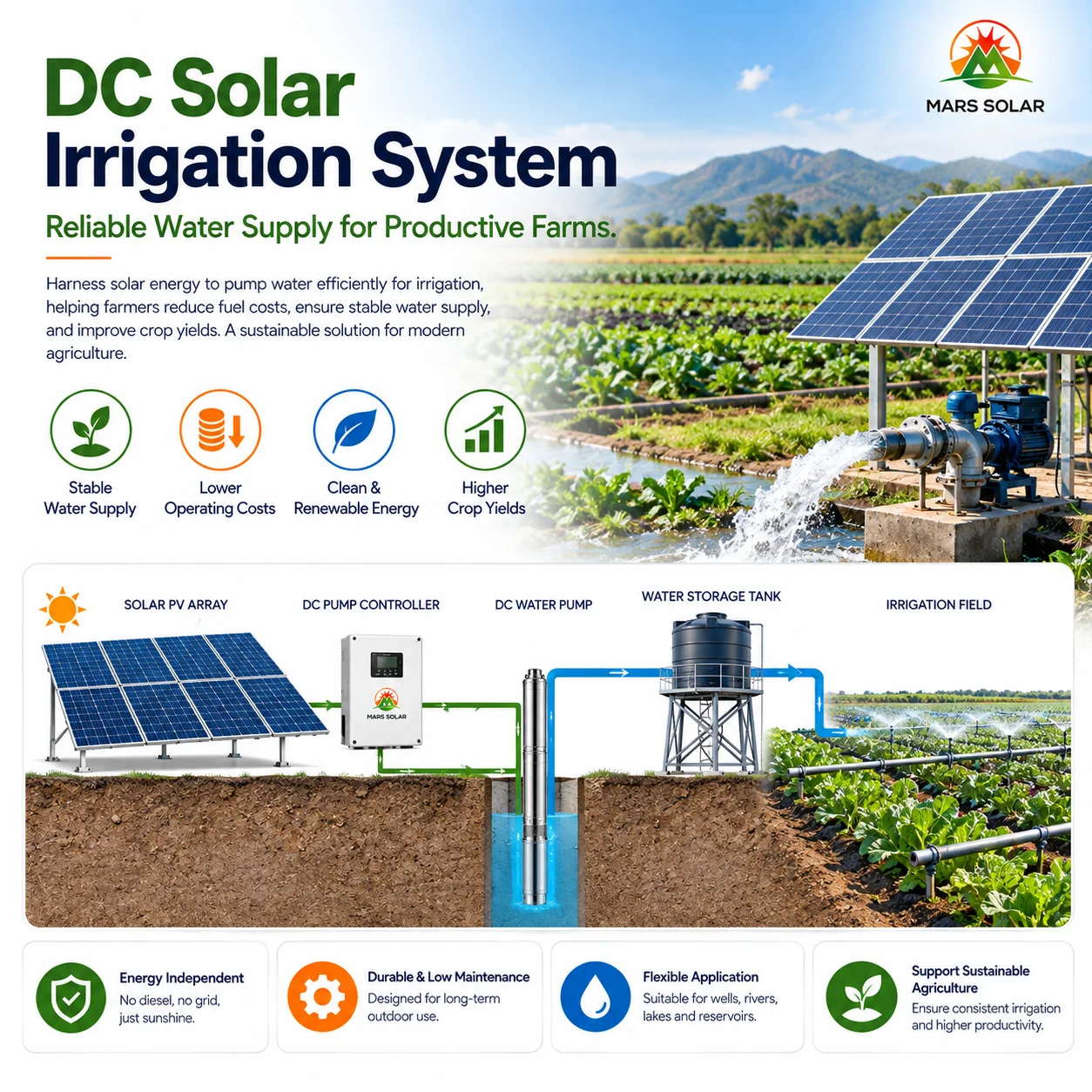
DC Solar Irrigation System
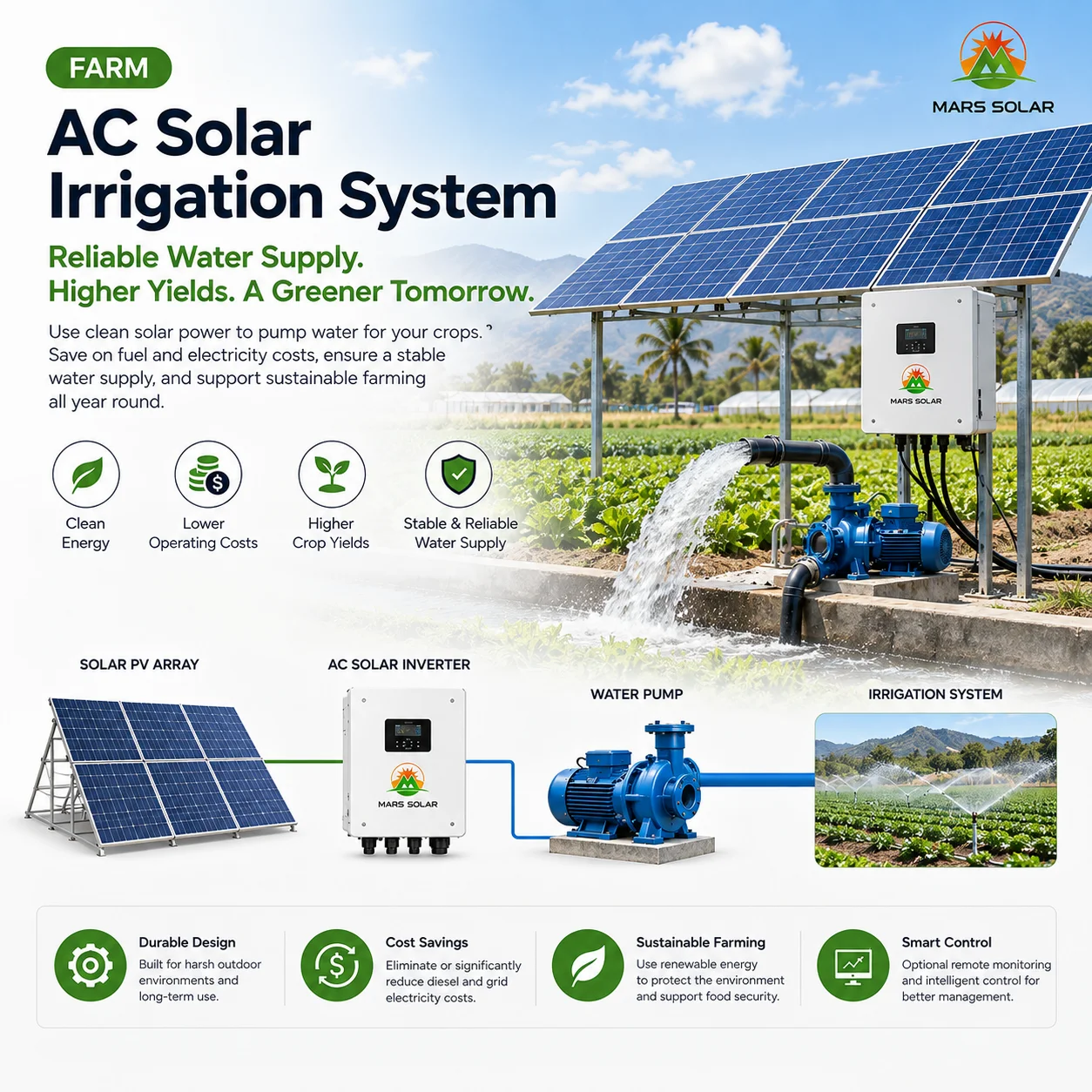
AC Solar Irrigation System
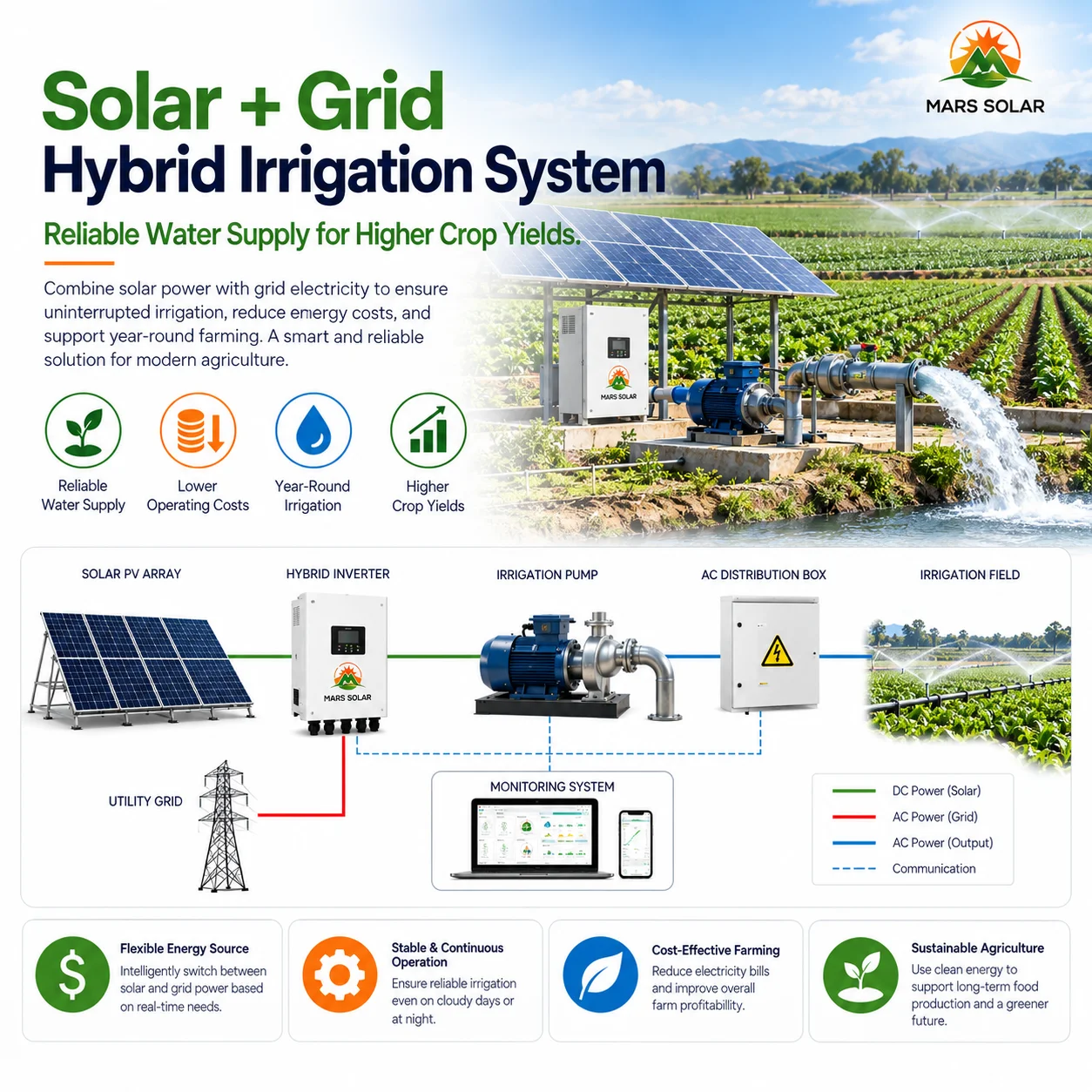
Solar + Grid Hybrid Irrigation System
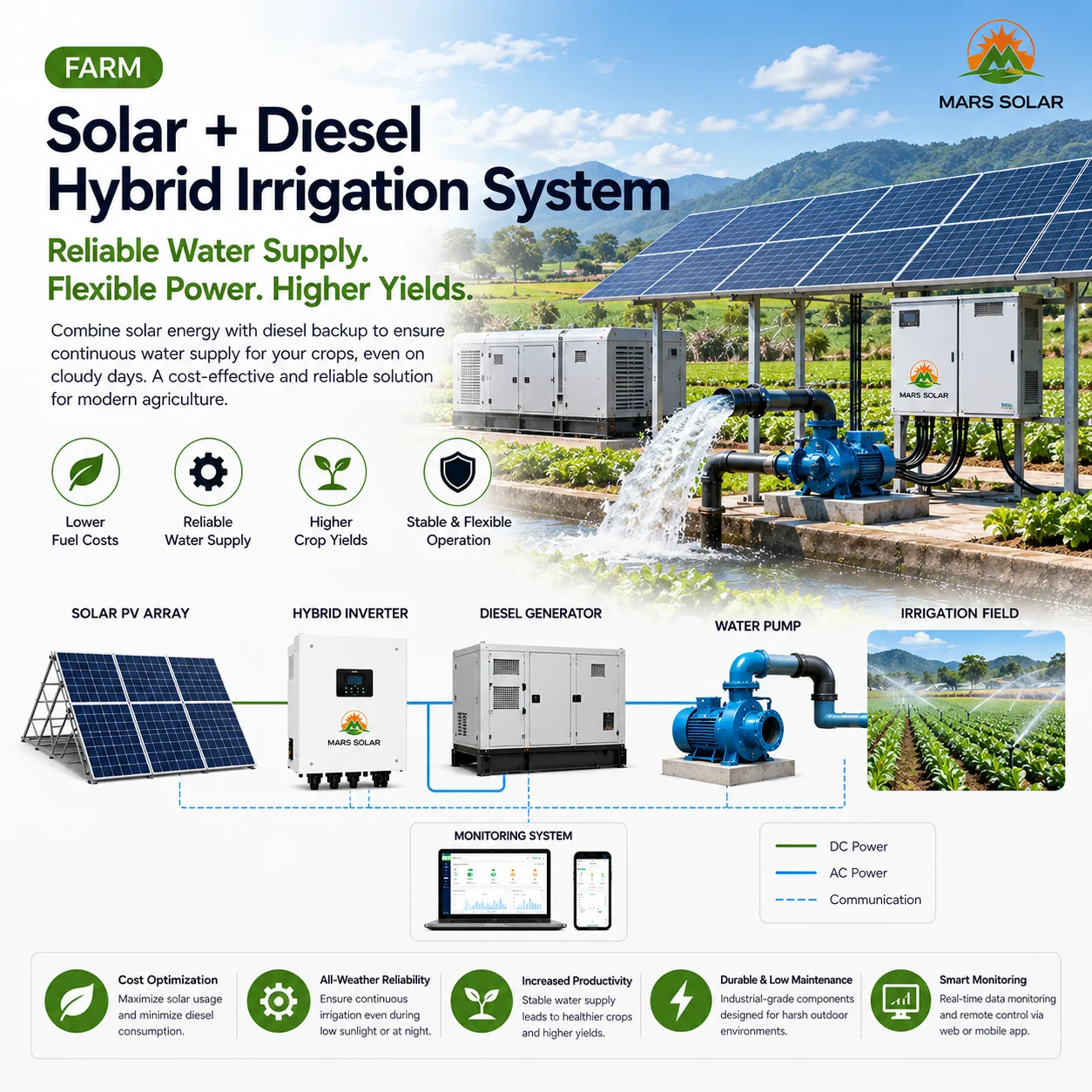
Solar + Diesel Hybrid Irrigation System
Build Your Solar Irrigation Project With a Partner Who Understands What Really Matters
If you already have a farm, plantation, irrigation project, pump business, or customer asking for solar-powered irrigation, you are not simply looking for solar panels and a water pump. You need to know whether the system can deliver enough water at the required head, whether the pump and solar array are correctly matched, whether grid or diesel backup should remain part of the project, and whether your supplier can support you from initial sizing to equipment delivery. At Mars Solar, we approach irrigation projects from both the water requirement and the power requirement, helping our partners build practical solar irrigation solutions for commercial farms and agricultural projects.
The Right Solar Irrigation Solution Starts With Understanding Your Water Demand
Every irrigation project begins with water, not with solar capacity. A deep borehole requiring high pumping head, a plantation needing large daily water volume, and a farm using drip irrigation will all require different configurations. Before we recommend a solution, we look at the water source, total dynamic head, required flow, pump power, daily operating hours, irrigation method and available grid or generator supply. Based on these conditions, we can help configure Direct Solar Irrigation Solutions, AC Solar Pumping Solutions, Solar + Grid Hybrid Irrigation Solutions and Solar + Diesel Hybrid Irrigation Solutions. Our goal is not to add more equipment, but to make sure the pumping capacity and energy supply actually match the irrigation demand.
Reliable Matching Between Solar Power, Pumping Equipment And Backup Power
A solar irrigation project can fail even when every individual product looks suitable on paper. The real challenge is making sure the PV array, pump inverter, AC or DC pump, voltage range, protection devices and backup power source operate together correctly. We therefore focus on the complete power and pumping architecture rather than supplying isolated components. If your project already has an AC pump, grid connection or diesel generator, we can evaluate how those existing assets should remain part of the solution instead of automatically replacing everything. Mars Solar’s broader system capabilities cover solar generation, inverter, storage and hybrid power integration, giving us a practical foundation for supporting different agricultural power conditions.
Designed For Farms Where Irrigation Cannot Depend On Unstable Power
For commercial agriculture, irrigation is not just another electrical load. If pumping stops at the wrong time, the impact can extend to crop quality, planting schedules and overall farm productivity. This is why we look at reliability as carefully as energy cost. For farms with good daytime solar conditions, direct solar pumping can reduce operating costs with a relatively simple configuration. Where grid power is unreliable, a solar + grid solution can maintain pumping when solar output is insufficient. For remote farms already relying on generators, a solar + diesel hybrid approach can reduce generator runtime and fuel consumption while keeping backup power available when it is genuinely needed.
From Project Parameters To Equipment Supply And Installation Support
Choosing a solar irrigation supplier should involve more than sending a pump power rating and receiving a quotation. We normally need to understand the water source, borehole or well depth, total dynamic head, required hourly or daily flow, operating hours, existing pump information, irrigation area, project location and available grid or generator conditions before a useful configuration can be prepared. From there, we help coordinate the required solar modules, pump inverter or controller, pump, electrical protection, mounting system and other project components, together with BOM and technical support. Mars Solar follows a project process covering demand analysis, system design, production, testing, delivery and installation guidance, helping EPC contractors, pump companies and farm owners move from project requirements to a supply-ready solution with fewer sizing and compatibility risks.

More Than a Solar Irrigation Equipment Supplier
At Mars Solar, we believe a successful solar irrigation project is not only about supplying solar panels, a pump or an inverter. It is about making sure the system can deliver the required water, operate reliably under local conditions and support your project or farm over the long term. We start with the real irrigation requirement—water source, total head, flow demand, pump power, operating hours and available grid or generator supply—then help coordinate the right solar and pumping equipment into a practical solution.

Win Projects Faster
When your customer needs a solar irrigation solution, you usually cannot wait weeks just to confirm whether the pump, PV array and inverter can work together. We help irrigation contractors, pump companies and solar EPCs organize the key project parameters into a clearer configuration and BOM, so your team can prepare quotations faster and explain the proposed solution more confidently without sourcing every component from different suppliers.
Improve Project Economics
The lowest equipment price does not always mean the lowest project cost. An oversized PV array increases investment, while an undersized pump or incorrect inverter can reduce daily water output and create operational problems. We focus on matching solar capacity and pumping equipment to the actual irrigation demand, helping you balance water delivery, energy cost and backup requirements. For farms currently using diesel, we can also evaluate solar or hybrid configurations that reduce fuel consumption without replacing equipment that still has practical value.
Protect Your Project Delivery
Solar irrigation systems often face problems because the pump, inverter, PV voltage, control equipment and backup power were selected separately. We help coordinate these parts before shipment and provide the technical information your local engineering team needs for installation. By identifying compatibility, sizing and operating requirements earlier, we help reduce the risk of insufficient water output, difficult commissioning or avoidable after-sales problems once the system reaches the farm.
Grow With One Reliable Partner
Your first project may be a direct solar pumping system for a borehole, while the next may require a larger AC pump, grid backup or diesel hybrid operation. We support different agricultural power and irrigation requirements through one supply relationship, helping you simplify procurement, access technical support and gradually take on larger farm and irrigation projects. Our goal is not only to complete one order, but to help you build a solution that works well enough for your customer to bring you the next project.
Build Your Solar Irrigation Project With More Support Than You Expected
At Mars Solar, you may first contact us because you need a quotation for a solar irrigation project. But once we understand the application, the discussion usually goes far beyond the price of solar panels, pumps or inverters. We look at where the water comes from, how much water the farm needs, the total pumping head, daily operating hours, whether grid or diesel backup is available, and how critical irrigation reliability is to the project. Our goal is not only to supply equipment, but to help you turn an irrigation requirement into a clearer solution that your team can confidently quote, install and deliver.
We Start With The Real Irrigation Challenge
Two farms with similar acreage can require completely different solar irrigation solutions. One may pump from a shallow reservoir during the day, another may need to lift water from a deep borehole, while a plantation may require high daily flow and diesel backup because irrigation cannot stop during poor weather. We first review the water source, total dynamic head, required flow, pump power, irrigation hours, existing equipment and available power sources before recommending a solution. This helps determine whether the project is better suited for a Direct Solar Irrigation Solution, AC Solar Pumping Solution, Solar + Grid Hybrid Irrigation Solution or Solar + Diesel Hybrid Irrigation Solution, instead of applying the same package to every farm.
More Than Solar Panels And Water Pumps
A reliable solar irrigation project is not created by simply connecting a PV array to a pump. The real performance depends on how the solar capacity, pump inverter, pump characteristics, voltage range, protection devices and backup power work together. We help organize these elements into a clearer configuration and BOM before production, so your team understands what is included, how the pumping solution is expected to operate and what needs to be prepared locally. This helps reduce common project problems such as insufficient water output, oversized solar capacity, incorrect inverter selection or missing components discovered only after installation has started.
A Smoother Path From Project Parameters To Delivery
We know irrigation projects become difficult when the pump, solar equipment, technical calculation and shipment are handled separately by different suppliers. A small mistake in head, flow or pump data at the beginning can lead to a completely different result once the equipment reaches the farm. That is why we keep the project process connected—from requirement analysis and equipment matching to quotation support, production coordination, testing, shipment and installation guidance. Mars Solar follows a structured project process covering Customer Inquiry, Demand Analysis, Design & Production, Testing & Delivery, Installation Guide and Project Acceptance, while equipment is subjected to a 72-hour full-load test before dispatch as part of our quality-control process.
Support That Makes Your Next Agricultural Project Easier
The value of a reliable solar irrigation partner is not only completing one project successfully, but making future projects easier to evaluate and deliver. Once we understand your common pump types, irrigation applications, local voltage conditions, diesel usage and installation practices, future project discussions can become much faster. An irrigation contractor may begin with one borehole project, a pump distributor may expand into complete solar pumping solutions, or a solar EPC may start serving larger farms and plantations. Different projects may require different configurations, but you do not need to rebuild the supply chain every time. Our goal is to help you create a more reliable way to evaluate, quote, source and deliver solar irrigation solutions with less uncertainty.
Solar Irrigation Solutions Video Insights from Mars Solar
FAQs Solar Irrigation Solutions
For your convenience, we’ve gathered the most commonly asked questions about our Solar Irrigation Solutions. However, should you have any further queries, please don’t hesitate to reach out to us.
1. Are you a solar pump manufacturer or a complete solar irrigation solution supplier?
We focus on the complete solar irrigation solution rather than only selling one pump or one inverter. Depending on the project, we can coordinate solar modules, pump inverters or controllers, AC or DC pumps, mounting structures, protection devices and other required electrical equipment under one supply plan. Our role is to help you match the power system with the actual pumping requirement so you do not have to source every component separately.
2. What types of solar irrigation projects can you support?
We support solar irrigation projects for commercial farms, plantations, boreholes, agricultural irrigation systems, livestock farms and other agricultural water applications. Depending on the available power source, we can help configure Direct Solar Irrigation Solutions, AC Solar Pumping Solutions, Solar + Grid Hybrid Irrigation Solutions and Solar + Diesel Hybrid Irrigation Solutions. The right configuration depends on the water source, pumping demand and local operating conditions rather than the farm size alone.
3. What information do you need before recommending a solar irrigation solution?
We normally start with the water requirement rather than asking you to choose a solar-system size from a catalogue. Send us the water source, borehole or well depth, total dynamic head, required hourly or daily flow, pump model or motor power, daily pumping hours, irrigation method and project location. If grid power or a diesel generator is already available, we also want to know its voltage, capacity and operating conditions. These parameters help us prepare a much more meaningful configuration.
4. How do you determine the correct solar panel and pump capacity?
We do not size an irrigation project based only on acreage or pump horsepower. We first look at how much water must be delivered, how high it must be lifted, how many hours the pump needs to operate and what pump characteristics are required to achieve that duty point. From there, we can review the pump power, inverter requirements and PV capacity. This helps avoid a system that looks large enough on paper but still cannot deliver the required daily water volume.
5. Can you work with the pump we already use?
In many cases, yes. If you already have an AC submersible pump, centrifugal pump or another agricultural pump, send us the nameplate information, rated voltage, power, current and available pump curve if possible. We can review whether it is practical to integrate the existing pump with a solar pump inverter and PV array. We do not recommend replacing usable equipment unnecessarily when it can remain part of a reliable solution.
6. Should we choose a DC pump or an AC solar pumping system?
That depends on the project. A DC pumping system can be a practical option for smaller or simpler off-grid applications because the architecture is relatively straightforward. For larger commercial farms, deeper boreholes or projects already using conventional pumps, an AC pump with a solar pump inverter may provide greater flexibility. We compare the required head, flow, pump power, existing equipment and future maintenance needs before recommending one approach over the other.
7. Can the irrigation system work with the grid or a diesel generator?
Yes. Not every farm should depend on solar power alone. Where grid electricity is available, we can evaluate a Solar + Grid Hybrid Irrigation Solution so solar provides part of the pumping energy while the grid remains available when solar output is insufficient. For remote farms already using generators, a Solar + Diesel Hybrid Irrigation Solution can help reduce generator runtime and fuel consumption while keeping backup power available when irrigation cannot stop.
8. Do we need batteries for a solar irrigation project?
Not necessarily. For many daytime irrigation applications, storing water in a tank or reservoir can be more practical than storing large amounts of electricity in batteries. If the pump mainly operates during daylight hours, we normally first evaluate whether direct solar pumping and water storage can meet the requirement. Battery storage becomes more relevant when the project requires nighttime pumping, other farm electrical loads, critical backup power or a broader farm energy system. We prefer to add batteries because the operation requires them—not simply because they increase the system size.
9. What technical documents, testing and project support can you provide?
Depending on the project scope, we can provide system configurations, BOM support, equipment datasheets, manuals and technical guidance for the local installation team. We also help review key equipment compatibility before shipment rather than leaving these issues to be discovered on site. Mars Solar follows a project process covering inquiry, demand analysis, design and production, testing and delivery, installation guidance and project acceptance, and the company states that equipment undergoes a 72-hour full-load test before dispatch as part of its quality-control process.
10. What are the MOQ, lead time and installation arrangements?
Many project-based solar irrigation solutions can be evaluated from one complete project set, but the final MOQ and lead time depend on the pump, inverter, solar capacity, customization requirements and component availability. We can coordinate export packing, project equipment and international delivery from China. For installation, we provide technical support and guidance, while local site surveys, civil works, piping, electrical installation, permits and long-term on-site maintenance are normally handled by your local EPC, irrigation contractor or engineering team.
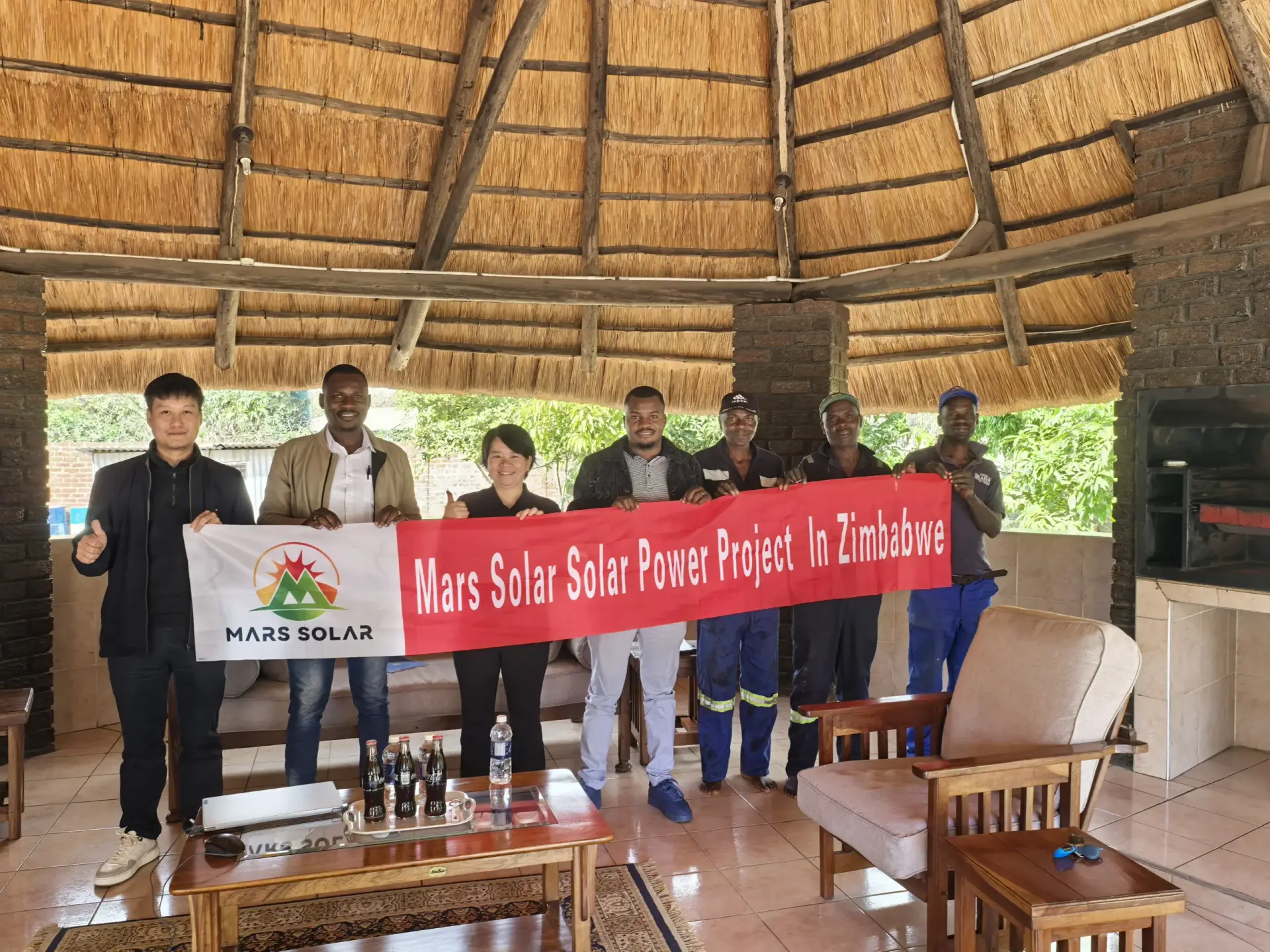
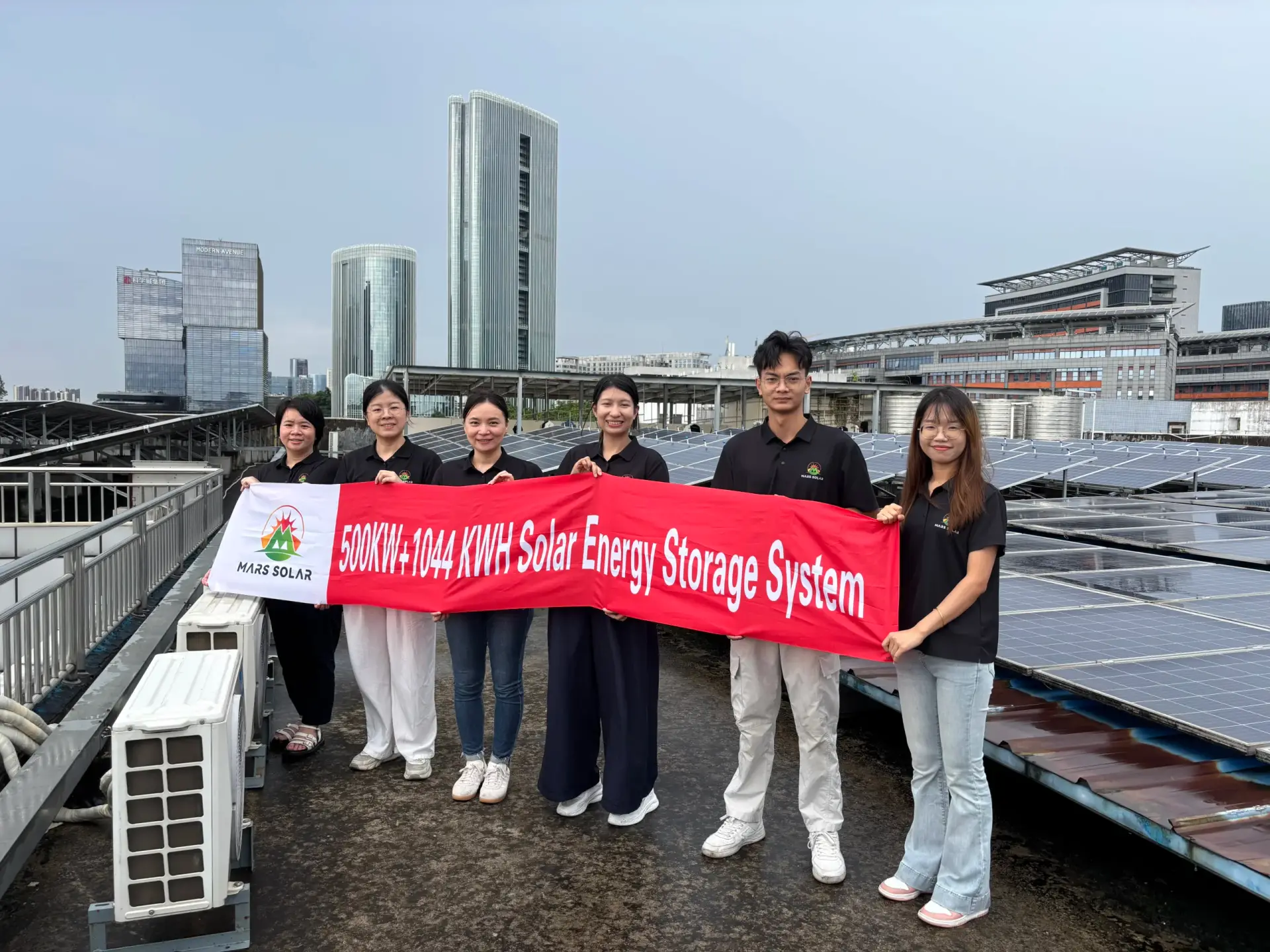
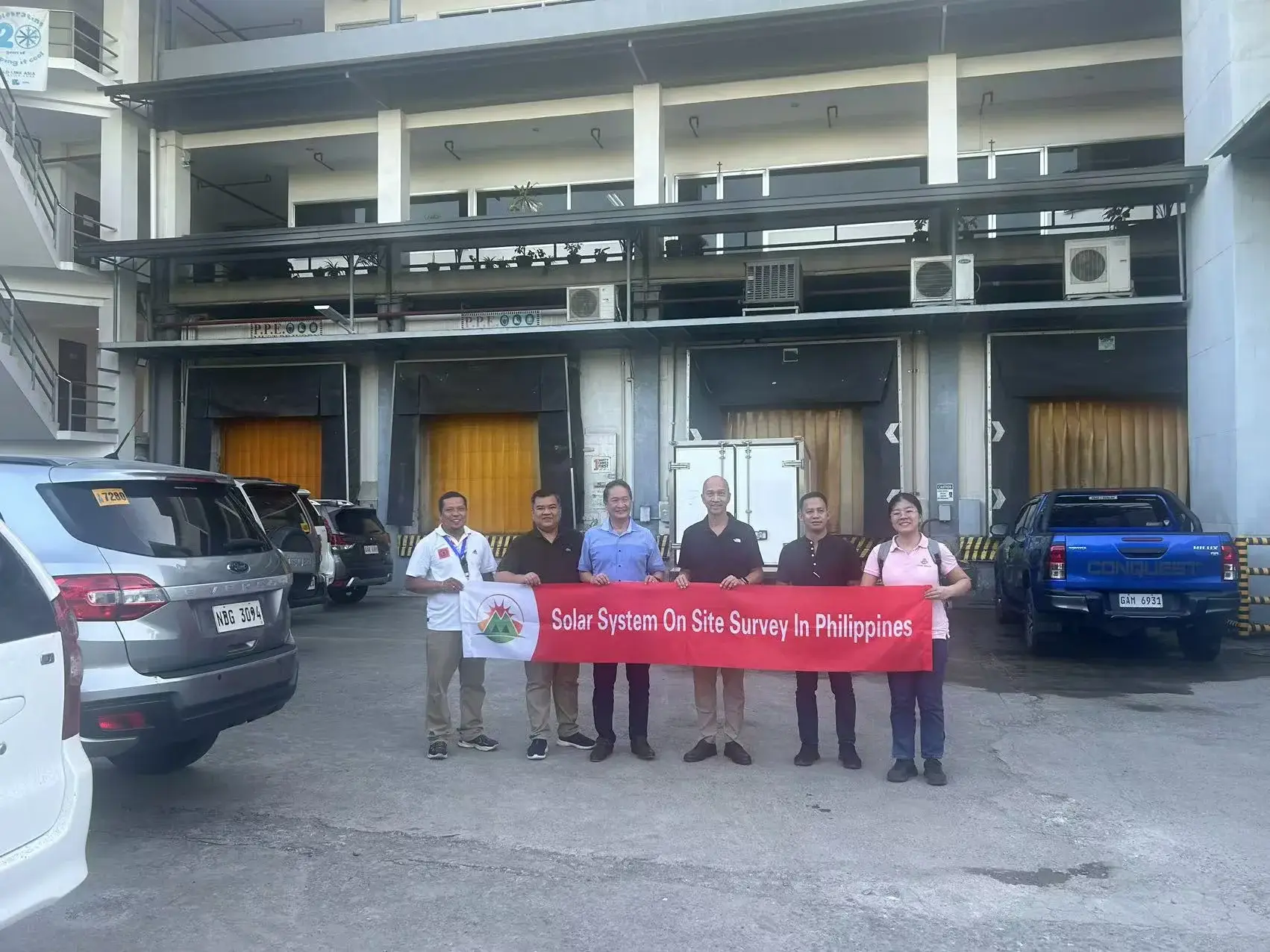
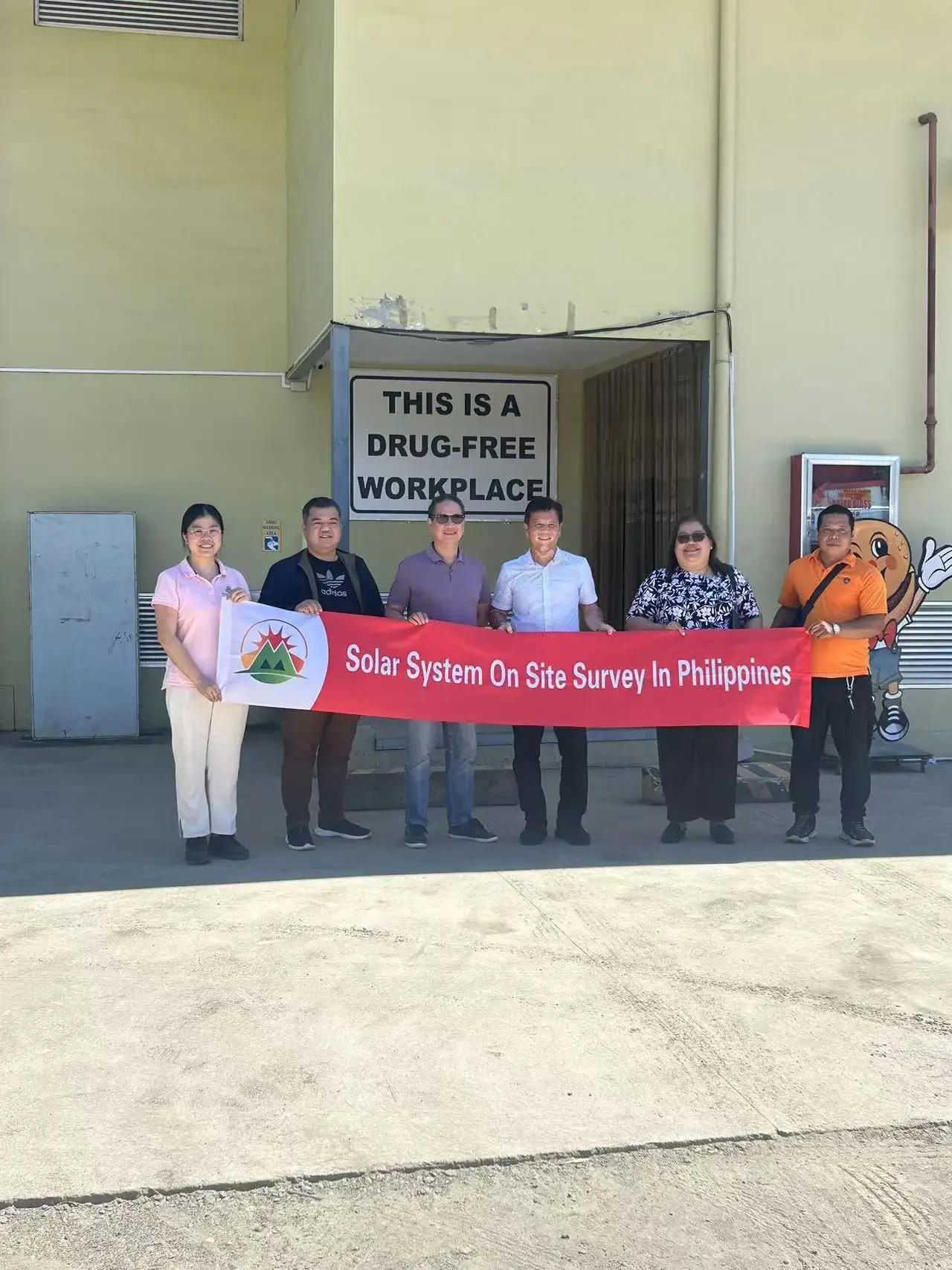
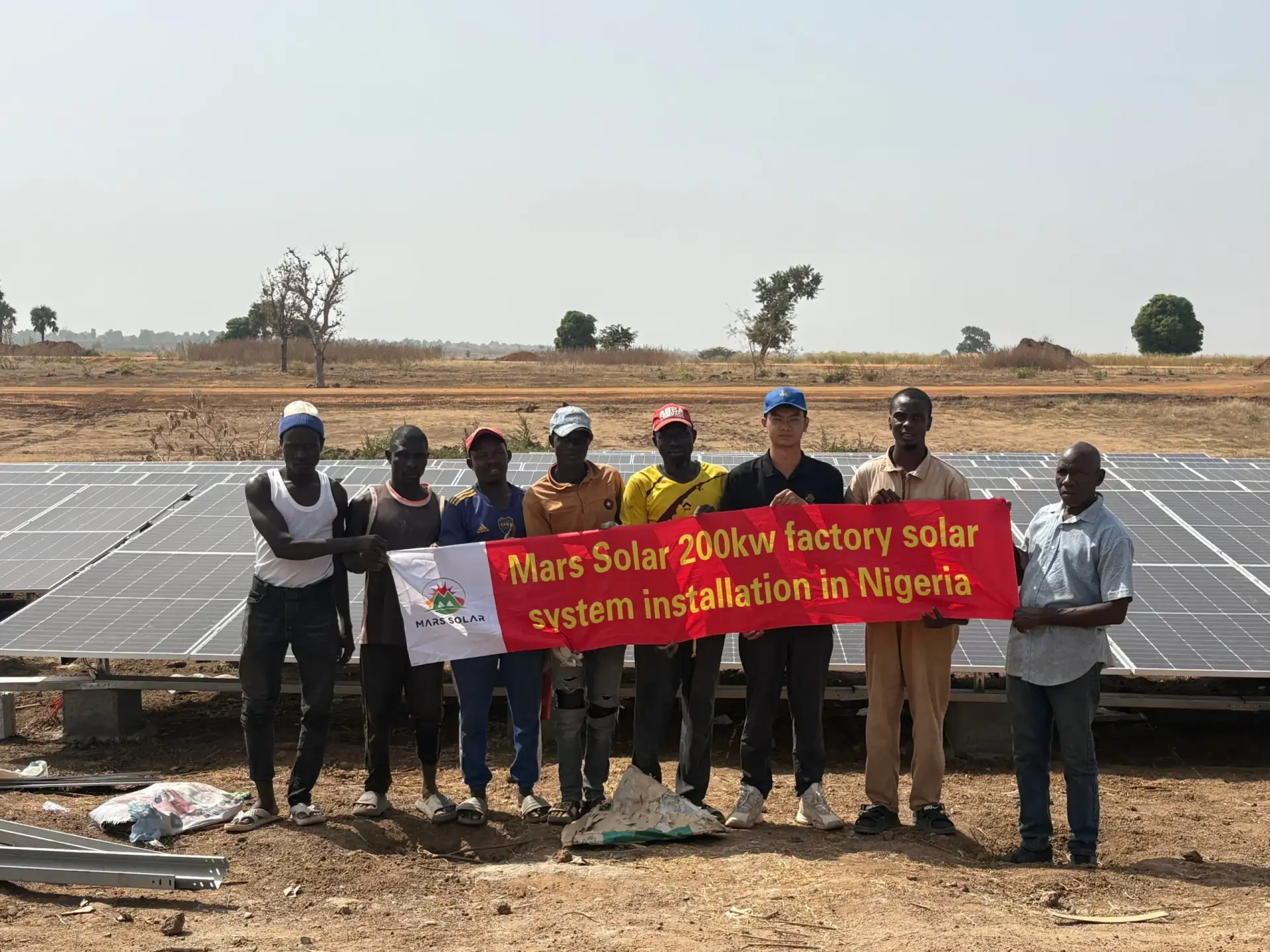
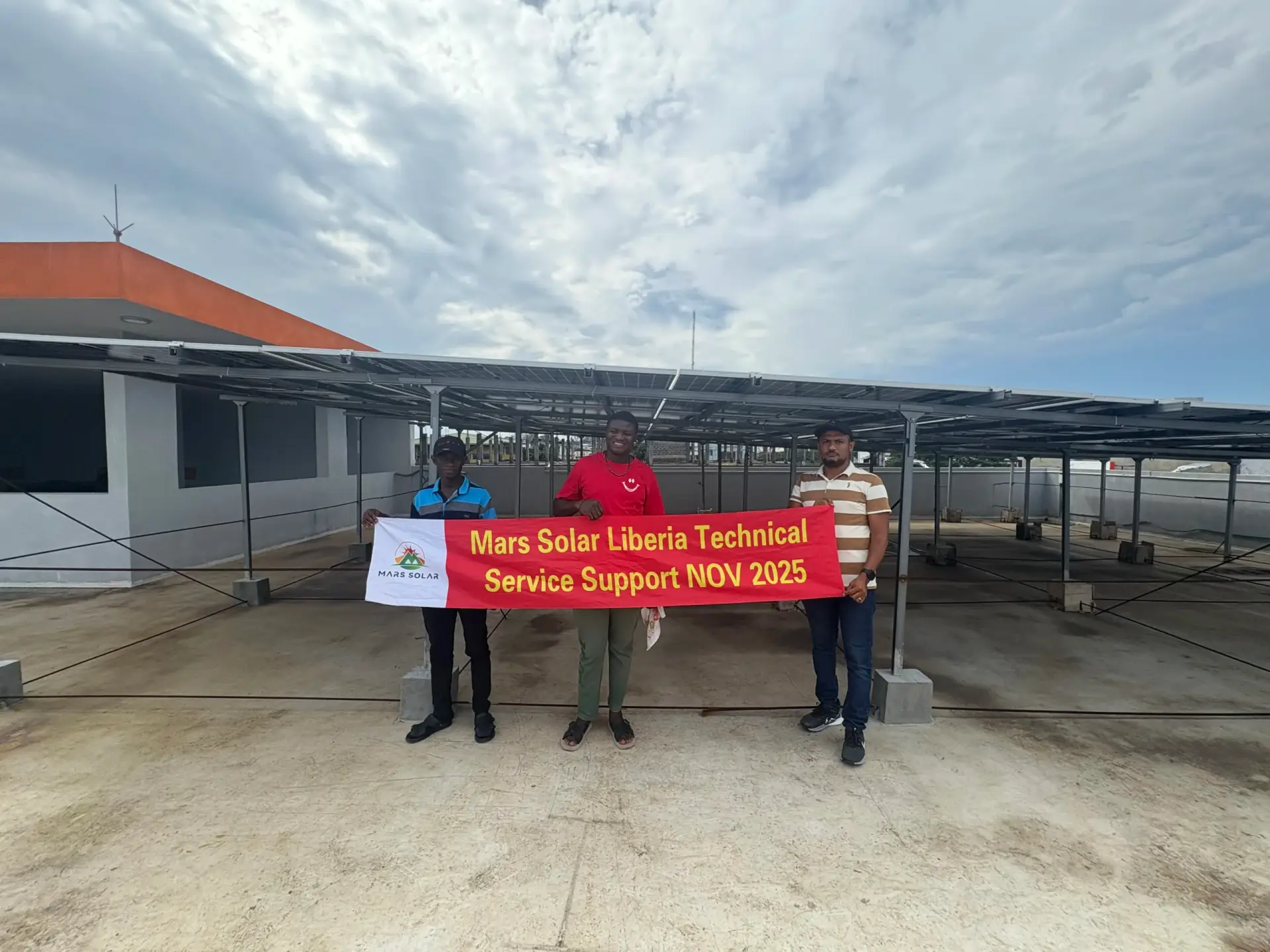
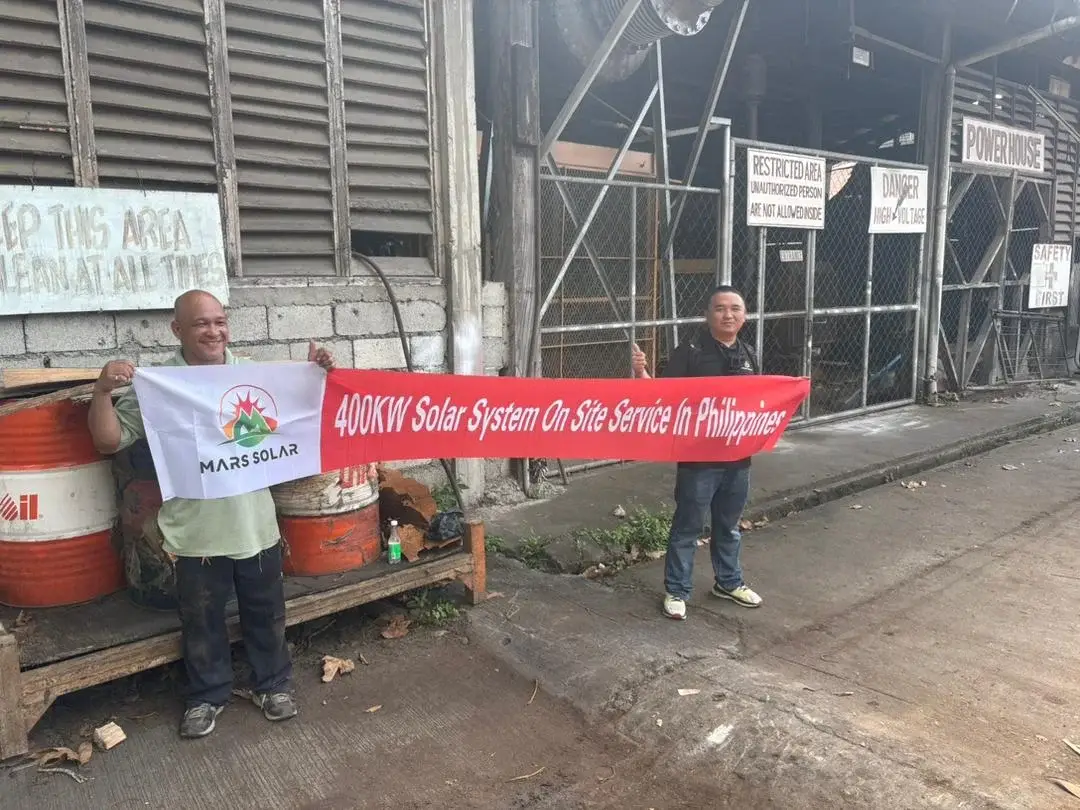
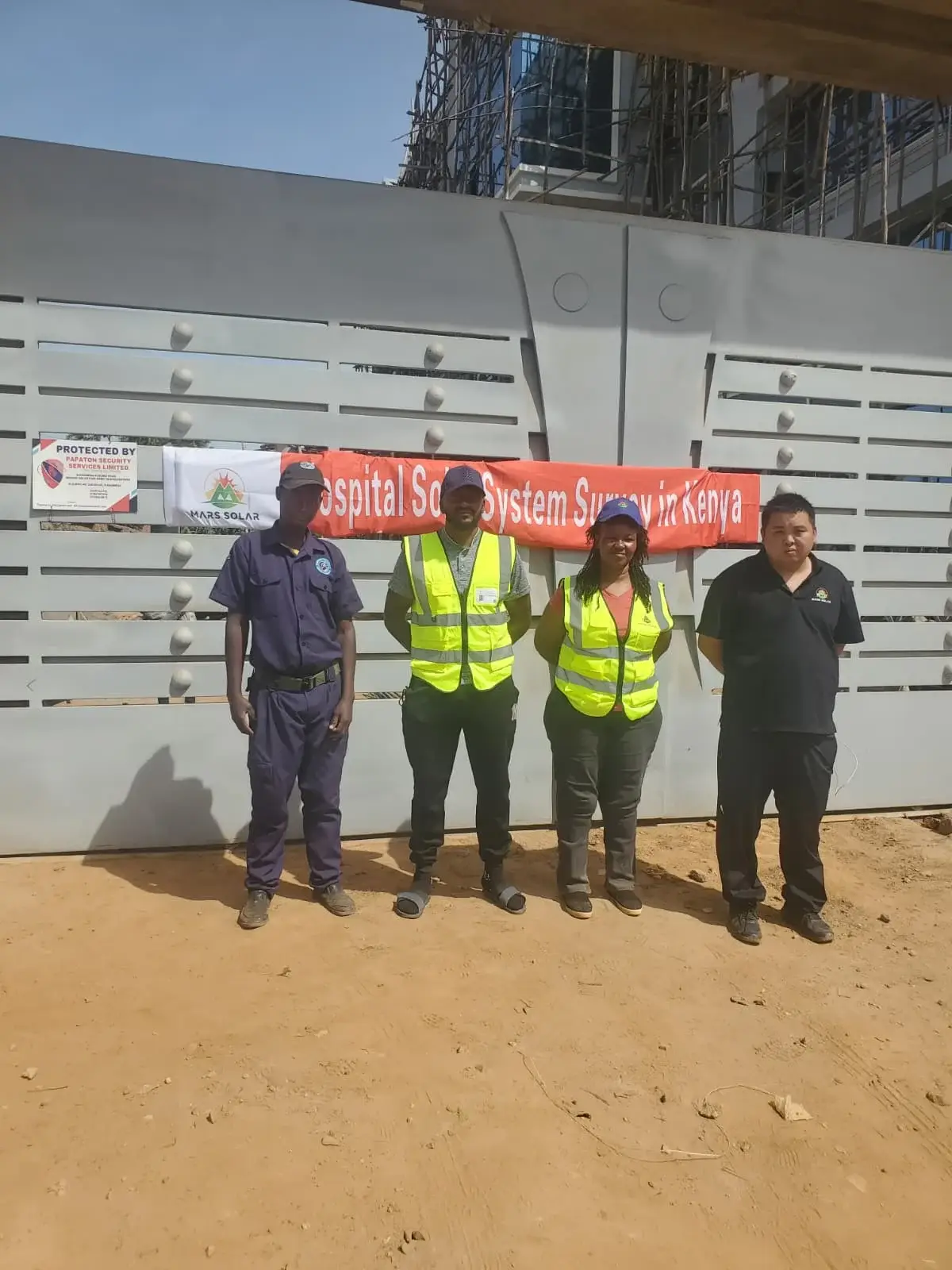
Mars Solar in Numbers
Industry Experience
Since 1000
Countries & Markets
0 +
Manufacturing Facilities
3000 ㎡
Technical & R&D Team
0 +
Systems Supplied or Supported
1500 +
Your Ultimate Guide to Solar Irrigation Solutions Partner for Farms and Agricultural Projects
If you’re planning a solar irrigation project—whether you’re upgrading an existing diesel-powered pump, developing a new commercial farm, preparing an irrigation EPC proposal, or adding solar solutions to your pump or generator business—you’re not simply choosing a new power source. You’re deciding how water demand, pumping head, flow rate, operating hours and available backup power should work together as one practical system. Solar irrigation can reduce dependence on diesel and unreliable grids, but the real value only appears when the pumping system is sized around the farm’s actual water requirement rather than around a fixed pump rating or solar package.
Over the years, we’ve seen that many irrigation problems begin long before installation. A project may start with only a borehole depth, pump horsepower or farm size, while important information such as dynamic water level, total dynamic head, required daily water volume, irrigation pressure and backup strategy is still unclear. In practice, these missing details are often what cause oversized pumps, insufficient water output, poor solar utilization or unnecessary battery investment. The strongest projects are usually the ones where the hydraulic requirement and power architecture are considered together from the beginning.
This guide is built around the questions that come up in real agricultural projects rather than basic solar theory. We’ll explain how to size a system from water demand and head, compare AC and DC pumps, evaluate solar against diesel, choose between direct solar, grid and generator backup, retrofit an existing AC pump, understand borehole data, prepare a better RFQ, decide between water and battery storage, troubleshoot underperforming systems, and follow a project from first inquiry to commissioning. Our goal is to help EPC contractors, pump companies, farm owners and project developers make better technical and commercial decisions before equipment reaches the site.
Table of Contents
How to Size a Solar Irrigation System From Water Demand, Flow Rate and Total Dynamic Head
When I size a solar irrigation system, I do not begin with the number of solar panels or the motor power printed on a pump nameplate. I begin with the water requirement, because the real purpose of the system is not to produce electricity but to move the right amount of water to the right place within the required operating window. In practice, many irrigation projects are initially described with incomplete information such as “I have a 20-hectare farm” or “I need a 15 kW solar pump.” I never treat either statement as sufficient for design. I work backward from daily water demand, required flow, water-source conditions, total dynamic head, pumping hours and local solar availability. Only after those hydraulic conditions are clear do I select the pump duty point, motor capacity, inverter requirements and PV array. This sequence gives me a much more reliable basis for evaluating whether the proposed system can actually support the farm rather than simply looking correct on a quotation.
Start With the Farm’s Real Daily Water Demand
The first question I ask is how much water the farm actually needs in a day, because acreage alone does not tell me enough about irrigation demand. I may be looking at two farms with the same land area, but one could be using drip irrigation for vegetables while the other is irrigating an orchard, plantation or greenhouse with a completely different water requirement. I therefore pay attention to the crop, irrigation method, irrigated area, seasonal demand and irrigation efficiency before translating the requirement into a daily water volume. If an agricultural engineer or irrigation consultant has already calculated the required cubic meters per day, I prefer to use that design value rather than make a second estimate from land area. Once I know the true water demand, I have a measurable target for the entire pumping system. Without that number, the discussion about pump size or solar capacity is still only an assumption.
Convert Daily Water Demand Into a Realistic Flow Requirement
After I know the required daily water volume, I convert that demand into a flow rate based on the number of hours the pump can realistically operate. I do not assume that the pump will run at full capacity from sunrise to sunset because solar output changes continuously during the day. If a farm needs 240 cubic meters of water and I expect roughly eight effective pumping hours, the average requirement is about 30 cubic meters per hour, but I still need to consider how solar production changes through the morning, midday and afternoon. I distinguish between total daylight hours and useful pumping hours because that difference has a direct effect on both pump selection and PV sizing. If the project includes a storage reservoir, I may be able to pump aggressively during the strongest solar period and store water for later irrigation. If water must be delivered directly to the field at fixed times, I may need to consider grid, generator or battery support. This is why I treat flow rate as an operating requirement rather than a simple mathematical division.
Calculate Total Dynamic Head Instead of Using Borehole Depth Alone
One of the most common mistakes I see is using borehole depth as the required pump head. I do not make that assumption because the pump does not necessarily lift water from the bottom of the borehole. What matters is the actual vertical lift from the pumping water level to the discharge point, together with elevation changes, pressure requirements and friction losses in the piping system. If I am working with a 120-meter borehole, for example, the dynamic water level during pumping may only be 55 meters below ground. If the water is then delivered to a tank 10 meters above ground and the pipeline creates another 8 meters of effective resistance, I would evaluate the total dynamic head at around 73 meters rather than automatically using 120 meters. That difference is significant because head directly affects the pump curve, motor power and solar requirement. I always want the total dynamic head to represent what the pump actually has to overcome in operation.
Distinguish Static Water Level From Dynamic Water Level
When I evaluate a borehole project, I pay close attention to the difference between static and dynamic water level because it often explains why a pump performs differently once the system is operating. Static water level tells me where the water rests when pumping is stopped, while dynamic water level shows how far the level drops when water is being extracted. I consider the dynamic value much more important for sizing because that is closer to the condition the pump will experience during normal operation. If the static level is 30 meters but the water drops to 55 meters during pumping, using 30 meters in the calculation would make the system appear easier than it really is. I also look at borehole yield because installing a larger pump does not help if the well itself cannot recover fast enough. In that situation, the pump may repeatedly trigger dry-run protection or experience unstable output even if the solar side of the system is correctly sized. This is why I always connect the electrical design back to the actual water source.
Define the Pump Duty Point From Flow and Head Together
Once I have the required flow and total dynamic head, I can define the pump duty point, which is one of the most important values in the entire design. I may be looking for a pump that can deliver 30 cubic meters per hour at 70 meters of total head, and that combination tells me far more than simply asking for a 7.5 kW or 15 kW motor. I use the pump performance curve to see whether the required operating point falls within a stable and efficient part of the pump’s range. Two pumps with the same motor rating can perform very differently because their impeller design, hydraulic efficiency and intended operating range are not the same. I therefore avoid selecting a pump only by horsepower or kilowatt rating. I want to know whether the pump can deliver the required water volume at the actual head the project will impose.
Select the Motor and Inverter Only After the Hydraulic Duty Is Clear
I move to the electrical side only after the pump requirement has been established. For an AC pump, I normally review the motor power, voltage, current, phase configuration and rated frequency before selecting the solar pump inverter or VFD. I also look at the inverter’s MPPT range, maximum DC input voltage and output characteristics because a system can have enough total PV wattage and still fail if the string voltage does not match the inverter’s operating window. When I am dealing with an existing pump, I prefer to see both the pump curve and the motor nameplate before making a recommendation. That information helps me understand not only the rated power but also how the pump is expected to behave at the intended operating point. I find this especially important in retrofit projects, where the customer wants to keep an existing pump and add solar rather than replace the whole irrigation system.
Size the PV Array Around Real Pumping Conditions
Once the pump and inverter requirements are clear, I can size the PV array with much more confidence. I do not simply match a 15 kW motor with exactly 15 kWp of solar panels because real PV output is affected by module temperature, solar irradiance, orientation, dust, wiring losses and the time of day. I normally allow additional PV capacity so the pump can maintain useful operation for a broader portion of the solar window, but I do not apply one fixed oversizing ratio to every project. I look at the local solar resource, seasonal irrigation period, pump characteristics and inverter limits before deciding how much PV is practical. I also prefer to evaluate the period when water demand is highest rather than relying only on annual average irradiation. In agriculture, the months when irrigation demand is greatest are often the months that matter most to the system design.
Use Water Storage as Part of the Energy Strategy
I often find that the most practical way to improve solar irrigation reliability is to think about water storage before adding electrical storage. If the farm can pump water into a tank or reservoir during strong sunlight, I can separate the pumping schedule from the irrigation schedule. That may allow the pump to run when solar energy is most available while the water is distributed later in the day or at night. In many projects, this approach can simplify the electrical system and reduce the need for batteries. I still evaluate the limitations carefully because reservoirs require land, civil work, hydraulic planning and sometimes additional pressure management. If the farm requires continuous pressure, nighttime pumping or other electrical loads such as cold storage and processing equipment, then batteries may become more relevant. I therefore treat water storage, grid backup, diesel backup and battery storage as different ways of solving the same operational problem rather than assuming every solar irrigation project should include all of them.
Check the Design Against Expected Daily Water Output
Before I consider the design complete, I return to the original water requirement and ask whether the system can realistically deliver that volume under actual operating conditions. I do not consider it enough for the pump to achieve the required flow at midday under ideal sunlight. I want to know whether the expected output across the useful solar period can meet the required daily volume with a reasonable operating margin. If a farm needs 250 cubic meters of water per day and the system can only achieve that figure under perfect conditions, I would regard the design as too optimistic. I would rather build in realistic allowances for changing irradiance, seasonal conditions and normal system losses than create a design that looks efficient on paper but is too sensitive in the field. In commercial agriculture, predictable water delivery is usually more important than achieving the lowest possible installed wattage.
Prepare the Right Project Data Before Requesting a Quotation
I have found that the quality of a solar irrigation quotation depends heavily on the quality of the project information supplied at the beginning. If I only know the farm size or requested pump power, I still have to make assumptions about water demand, head, operating hours and site conditions. Different suppliers may make different assumptions, which means the resulting quotations are not truly comparable. When I have the daily water requirement, desired flow, static and dynamic water levels, total elevation, pipe conditions, pump data, operating schedule and available backup power, I can evaluate the project much more accurately. I consider this especially important for EPC contractors and project developers because a clear hydraulic data set usually leads to faster quotations, fewer revisions and fewer surprises once installation begins.
Treat System Capacity as the Result, Not the Starting Point
The principle I follow throughout the entire process is straightforward: I let the irrigation requirement determine the system size rather than allowing a catalogue size to define the irrigation solution. I start with daily water demand, convert that into the required flow, combine flow with total dynamic head to establish the pump duty point, use that duty point to select the pump and motor, and then size the inverter and PV array around the electrical requirements and available solar window. When I follow that order, the final solar capacity becomes the result of the project conditions rather than an arbitrary starting number. This is the approach I trust most because it keeps the design focused on what the farm ultimately needs the system to achieve: reliable water delivery at the required volume, pressure and operating schedule.
Solar Irrigation vs Diesel Pumping: How to Calculate the Real Cost and Payback
For farms already relying on diesel-powered irrigation, the question is rarely whether solar can reduce fuel consumption. The more important question is whether the investment makes financial sense under the farm’s actual operating conditions. A meaningful comparison needs to go beyond equipment price and include annual diesel consumption, pumping hours, irrigation season, generator efficiency, maintenance, fuel transport, expected solar production and the replacement cost of major equipment over time. In practice, the strongest business case appears when the solar system is evaluated against the same water-delivery requirement as the existing diesel system, rather than comparing two systems only by kW capacity.
Start With the Farm’s Actual Diesel Operating Cost
The first step is to understand what the existing pumping system really costs to operate each year. Generator size alone does not provide that answer. What matters is the actual fuel consumed while the pump is running, the number of operating hours per day, the length of the irrigation season and the delivered diesel price at the farm. A generator may consume significantly more or less fuel depending on its loading condition, age and maintenance status, so real fuel records are more useful than a catalogue specification whenever they are available. If a pump operates for six hours per day over a 200-day irrigation season, even a small difference in hourly diesel consumption can translate into thousands of liters of fuel over one year.
Maintenance Should Be Included in the Diesel Cost
Fuel is usually the most visible expense, but it is not the only recurring cost. Diesel-powered irrigation also requires engine oil, filters, belts, coolant, starter batteries, scheduled servicing and occasional repairs. These expenses increase as annual operating hours increase, and the financial impact becomes larger when maintenance problems occur during the peak irrigation season. For a commercial farm, the real cost is not only the repair itself. A pump that stops during a critical irrigation period can affect crop growth and farm productivity. This is why maintenance should be treated as a normal lifecycle cost rather than an unexpected expense that is excluded from the payback calculation.
Fuel Transport Can Change the Economics Significantly
The cost of diesel at a fuel station is not always the same as the cost of diesel delivered to the irrigation site. This difference becomes especially important for remote farms, plantations and borehole projects. Fuel may need to be transported in drums or tanks, stored on site and handled by additional labor. There may also be losses, theft risk and extra transport costs. In remote agricultural projects, these logistics expenses can significantly increase the real cost of every hour the generator operates. A realistic comparison therefore uses the delivered fuel cost at the farm rather than only the local retail fuel price.
Convert Pumping Hours Into Annual Diesel Consumption
Annual operating hours provide one of the clearest ways to understand the existing cost structure. If a generator consumes 5 liters of diesel per hour and operates for 1,200 hours during the irrigation season, the annual fuel requirement is approximately 6,000 liters. Multiplying this figure by the actual delivered diesel price creates a much more useful baseline than simply saying that the farm “uses a lot of diesel.” If irrigation demand changes significantly between seasons, the calculation should reflect those differences rather than using one average value across the entire year. Farms that operate irrigation pumps for long periods usually have a stronger solar payback case than farms that only pump for a few weeks each year.
Compare Solar Against the Complete Installed Cost
On the solar side, the investment should represent a complete working irrigation solution rather than the price of the PV modules alone. Depending on the project, this can include solar panels, pump inverter or controller, mounting structure, DC and AC protection, cabling, installation and any modifications required to the existing pump or electrical system. If the project needs water storage, grid integration or generator backup, those costs should also be considered. An artificially low solar quotation can create a very attractive theoretical payback, but the calculation becomes meaningless if important components are added later during installation.
Expected Solar Production Must Reflect Real Site Conditions
Solar modules do not produce their rated output continuously throughout the day. Actual production changes with irradiance, module temperature, panel orientation, dust, shading and seasonal weather conditions. For irrigation projects, the more useful question is how much usable solar energy is available during the months when the farm needs the most water. A system designed from annual average solar data can still underperform during the critical irrigation season if seasonal conditions are not considered. The relationship between solar availability and irrigation demand therefore has a direct impact on both system sizing and financial performance.
Compare the Cost of Delivering Water, Not Only the Cost of Energy
For agriculture, electricity and fuel are only intermediate inputs. The farm ultimately needs water delivered to the field. This makes the cost per cubic meter of pumped water a useful comparison metric. If the annual operating cost and total annual water delivery are known, diesel and solar can be compared on the same agricultural outcome. This approach is particularly valuable when two systems have different efficiencies or operating patterns. A generator may provide predictable electrical power, while a properly sized solar pumping system may deliver the same annual water volume with much lower recurring energy cost.
Calculate Simple Payback From the Annual Savings
A simple payback calculation is useful as an initial decision-making tool. The basic logic is to divide the additional solar investment by the annual operating savings compared with diesel. If a solar irrigation system requires an investment of $40,000 and reduces annual fuel, maintenance and related costs by around $10,000, the simple payback is approximately four years. This calculation is easy to understand, but it should not be treated as the full financial picture. Fuel-price changes, equipment replacement, system degradation and seasonal utilization can all affect the actual long-term return.
Lifecycle Cost Gives a Better Picture for Larger Projects
For commercial farms and agricultural developments, lifecycle cost is usually more meaningful than simple payback alone. Diesel systems have a relatively low initial cost but continue generating fuel and maintenance expenses year after year. Solar systems concentrate more of the cost at the beginning, while operating expenses remain comparatively low. Over a longer project period, the calculation should consider inverter replacement, pump replacement, PV degradation, generator overhaul and other major maintenance events. This helps show not only when the initial solar investment is recovered, but also how the two options compare over ten or fifteen years of operation.
The Diesel Generator Does Not Always Need to Be Removed
One of the most practical lessons from real projects is that solar conversion does not necessarily mean eliminating the generator completely. In many commercial irrigation applications, the existing diesel generator remains valuable as backup power. A plantation with high-value crops, a farm with strict irrigation schedules or a site exposed to several cloudy days may still need a reliable secondary energy source. In these cases, the better objective may be to reduce generator runtime rather than eliminate it. Solar can provide most of the daytime pumping energy, while the generator remains available when solar output is insufficient. This often gives the project a better balance between fuel savings and operational reliability.
Irrigation Season Has a Major Effect on Payback
The number of operating days per year can completely change the financial result. A farm that pumps water almost every day has far more opportunity to replace diesel consumption than a farm that irrigates intensively for only two or three months. This means two farms using the same pump can have very different solar payback periods. If the PV system can also support other agricultural loads outside the irrigation season, such as cold storage, lighting or processing equipment, overall system utilization may improve. However, those additional savings should only be included when the loads actually exist, rather than being added simply to make the financial model look more attractive.
Real Projects Show Why the Economics Must Be Calculated Individually
Industry case studies can provide useful context, but they should not be copied directly into another project’s financial model. IRENA has documented a solar pumping example in Nepal where diesel costs were reduced by more than 75% after the farm adopted solar pumping. That result demonstrates the potential value of replacing diesel energy, but it does not mean every farm will achieve the same percentage. Fuel prices, solar resources, pumping hours, irrigation demand and site conditions vary substantially between countries and projects. Real cases are valuable because they show what is possible, while the actual investment decision still needs to be based on project-specific data.
Reliability Should Be Treated as Part of the Economic Calculation
The cheapest energy source is not always the most valuable if it cannot support irrigation when the farm needs water. Diesel systems may suffer from fuel shortages or engine failures, while a poorly designed solar-only system may become vulnerable during extended cloudy conditions. The financial value of reliability is difficult to express with one simple number, but it should still be considered. Missing an irrigation window during a critical crop stage can create a much larger economic impact than a small difference in annual energy cost. For this reason, the strongest solution is often the one that balances operating savings with predictable water availability.
Compare Solar and Diesel on the Same Water-Delivery Requirement
A fair comparison requires both options to achieve the same agricultural objective. If the existing diesel system delivers 300 cubic meters of water per day at a certain total dynamic head, the solar alternative should be evaluated against the same flow, head and irrigation schedule. A cheaper solar system that only delivers 200 cubic meters per day is not an equivalent solution. Once both systems are compared on the same water-delivery requirement, the real economic difference becomes much clearer.
The most useful conclusion is therefore not simply that solar irrigation is cheaper than diesel pumping. The real question is whether the solar system can deliver the required water reliably while reducing the total cost of operation enough to justify the upfront investment. That calculation should include fuel consumption, maintenance, logistics, irrigation season, expected solar production, complete installed cost, equipment replacement and backup requirements. When these factors are evaluated together, the payback period becomes a meaningful business metric rather than just a marketing number.
AC vs DC Solar Water Pumps: Which Architecture Makes Sense for a Commercial Irrigation Project?
When buyers compare AC and DC solar water pumps, the discussion often starts with efficiency or equipment price. In practice, I think the more useful question is which architecture fits the project’s actual operating conditions, maintenance environment and long-term procurement needs. A small remote borehole with moderate flow may benefit from a compact DC pumping system, while a larger commercial farm may be better served by a conventional AC submersible or centrifugal pump driven through a solar pump inverter. The decision depends on pump power, total dynamic head, required flow, local service capability, spare-part availability, backup power requirements and whether the project already has pumping equipment in place. Neither AC nor DC is automatically better; each becomes more practical under different project conditions.
Understand the Difference in System Architecture First
A DC solar pumping system usually follows a relatively direct path from the PV array to a DC pump controller and then to the pump motor. This can make the architecture simple, especially for remote installations where the project does not need grid or generator integration. An AC solar pumping system normally uses a solar pump inverter or VFD to convert the DC electricity generated by the PV array into AC power for a conventional pump motor. That extra conversion stage makes the AC architecture slightly more complex, but it also opens access to a much wider range of standard submersible, surface and centrifugal pumps. When I compare the two, I therefore look beyond the number of components and consider how the system will be operated and maintained over its full service life.
DC Pumps Are Often Attractive for Smaller, Simpler Off-Grid Applications
DC pumps can be a practical choice where the project is relatively small, the site is remote and the priority is to reduce system complexity. A borehole serving livestock, a small commercial farm or a localized drip-irrigation network may not require a large motor or sophisticated backup arrangement. In these cases, a DC pump matched with a dedicated MPPT controller can provide a compact solution with fewer conversion steps. The system can start automatically when sufficient solar energy is available and reduce output as irradiance falls. This simplicity is one reason DC pumping is often considered for sites where grid electricity is unavailable and where the pump mainly operates during daylight hours.
AC Pumps Become More Practical as Project Scale Increases
For larger commercial irrigation projects, AC pumps are often easier to work with because the market offers a much broader range of motor sizes, pump curves and hydraulic configurations. Large farms may require higher flow, higher head or multiple pumps operating under different conditions, and standard AC submersible or centrifugal pumps are commonly available across these applications. From a procurement perspective, this matters because the system designer can select the pump around the required duty point rather than being limited to a narrower range of dedicated DC models. In projects where the required pump power reaches tens of kilowatts, the flexibility of standard AC motors and industrial pump equipment can become a major advantage.
Pump Availability Is a Long-Term Project Issue, Not Just a Purchasing Issue
I always pay attention to what happens five or ten years after installation. A pump is a mechanical asset and may eventually need servicing, rewinding or replacement. If a specialized DC pump is difficult to source locally, a future failure can create a longer interruption than expected. Conventional AC motors and agricultural pumps are often more familiar to local pump technicians, especially in markets where irrigation and industrial pumping have existed for many years. This does not make DC equipment unreliable, but it means spare-part availability and local service capability should be considered during the original design stage. For a commercial farm, the easiest pump to maintain may create more long-term value than the pump with the lowest initial purchase price.
Motor Size Can Influence the Architecture Decision
Motor power is another practical dividing line. DC pumps are commonly used in smaller and medium-sized applications, while AC systems become increasingly attractive as motor power grows. The reason is not simply that AC motors can be larger, but that standard industrial motor technology, control equipment and pump models are widely available at higher power levels. If a project requires a 30 kW, 45 kW or larger irrigation pump, I would normally evaluate an AC architecture carefully because it may provide better equipment availability, easier replacement and more flexibility for future expansion. For smaller borehole projects, however, a dedicated DC pump may still offer a cleaner and more straightforward solution.
Head and Flow Matter More Than the AC or DC Label
One mistake I try to avoid is choosing the motor architecture before the hydraulic requirement is clear. A project should first establish the required flow and total dynamic head because those values determine the pump duty point. The AC or DC decision comes after that. A DC pump may be very suitable for one borehole but inappropriate for another if the required head or flow falls outside its efficient operating range. The same applies to AC pumps. The correct comparison is therefore not “AC versus DC” in isolation, but “which available pump can deliver the required flow at the required head with acceptable efficiency and long-term serviceability?”
Solar Pump Inverters Give AC Systems More Operating Flexibility
The solar pump inverter is one of the main reasons AC pumping has become practical for solar irrigation. It converts the DC power from the PV array into AC power while using MPPT control to adapt to changing solar conditions. In many systems, the inverter can also control pump speed according to available solar power, allowing the motor to operate at reduced frequency during weaker sunlight rather than simply switching fully on or off. This flexibility can improve daily pumping hours, but it also means the inverter must be correctly matched to the motor voltage, current, power rating and PV input range. I treat the inverter as part of the system design rather than as a generic accessory because incorrect sizing can limit pump performance even when the pump itself is suitable.
DC Systems Can Reduce Electrical Complexity but Still Require Correct Matching
The simpler appearance of a DC system does not mean it can be selected casually. The PV array still needs to operate within the controller’s voltage and current range, and the pump must be able to produce the required head and flow across changing irradiance conditions. Cable distance is also important because long DC runs can create voltage drop and reduce performance if conductor sizing is inadequate. In remote borehole projects, this can become especially relevant when the PV array is installed far from the water source. I therefore see DC architecture as simpler, not necessarily easier to size. Hydraulic and electrical matching remain just as important.
Grid and Generator Backup Often Favor AC Architecture
When a commercial farm already has grid power or a diesel generator, AC pumping can offer a more natural path to hybrid operation. A standard AC pump may be powered from solar through a pump inverter during the day and then supported by the grid or generator when solar output is insufficient, provided the control architecture is designed for this function. This is particularly useful for farms where irrigation schedules cannot depend entirely on weather conditions. A DC pump can also be integrated into more complex systems, but the backup arrangement may require additional power-conversion equipment. For projects that already depend on AC electrical infrastructure, the AC pump often fits more easily into the existing system.
Existing Pumps Strongly Influence the Decision
Many commercial irrigation projects are not new installations. The farm may already have a functioning AC pump powered by the grid or a generator, and the real objective is simply to reduce energy cost by adding solar. In that situation, replacing the pump with a DC model may create unnecessary capital cost. If the existing pump has an appropriate duty point and is in good condition, adding a solar pump inverter and PV array may be a more practical retrofit strategy. I normally want to see the pump curve, motor nameplate, voltage, current and operating schedule before deciding whether the existing equipment can remain. Reusing suitable assets can improve project economics and simplify local maintenance.
Maintenance Capability Should Influence the Original Design
Technical performance is only one part of the decision. I also consider who will service the system after installation. In some regions, local technicians are very familiar with AC motors, VFDs and conventional submersible pumps but have limited experience with specialized DC equipment. In other areas, solar pump distributors may already stock DC pumps and controllers with established service support. The right architecture should reflect the local maintenance ecosystem rather than assuming the same solution works equally well everywhere. For irrigation projects, downtime during a critical growing period can be more expensive than a small difference in system efficiency, so serviceability deserves the same attention as equipment specifications.
Replacement Availability Can Be More Important Than Initial Efficiency
Efficiency matters, but commercial buyers should also think about replacement risk. A highly efficient pump has limited value if a failed controller or motor takes several weeks to replace. Standard AC pumps may offer an advantage where local agricultural suppliers already keep compatible pumps, motors and spare parts in stock. A dedicated DC pump may still be the better choice if the supplier has strong regional support and suitable replacement equipment is readily available. The correct decision therefore depends on both technical performance and supply-chain resilience. In real projects, I have found that buyers are often more comfortable when they know how quickly a failed component can be replaced.
System Scale and Future Expansion Should Be Considered Early
A small irrigation system may remain unchanged for years, but commercial farms often expand. Additional boreholes, larger irrigation areas, new reservoirs or higher water demand can change the original pumping requirement. An AC architecture may provide more flexibility for future expansion because larger motors, multiple pumps and industrial control equipment can be integrated more easily. A DC system can still be expanded, but the project may eventually need separate pump circuits or additional controllers. When I know the farm has a clear growth plan, I prefer to consider that future load during the initial architecture decision instead of designing only for today’s minimum requirement.
There Is No Universal Winner Between AC and DC
The most useful conclusion is not that one architecture is better than the other. A DC solar pump can be an excellent choice for a remote borehole where simplicity, moderate flow and independent daytime operation are the priorities. An AC pump with a solar pump inverter may be more suitable for a large commercial farm that needs higher power, standard pump availability, local maintenance support or grid and generator backup. The best decision comes from comparing hydraulic duty, motor size, site power conditions, local service capability, spare-part availability and long-term operating strategy together.
For a commercial irrigation project, I would therefore treat the AC-versus-DC decision as a project architecture choice rather than a product preference. Once the required flow, total dynamic head, operating hours and backup requirements are clear, the practical advantages of each option become much easier to evaluate.
Direct Solar, Solar + Grid or Solar + Diesel: How to Choose the Right Irrigation Power Architecture
Once the required water volume, flow rate and total dynamic head are known, the next decision is not simply how many solar panels to install. The more important question is how the irrigation system should continue operating when solar power is lower than expected. In some farms, pumping can shift around available sunlight with little consequence. In others, missing several irrigation hours can affect crop quality, production schedules or an entire growing cycle. This is why I treat Direct Solar, Solar + Grid and Solar + Diesel as three different operating strategies rather than three levels of the same product. The right architecture depends on when water is needed, how sensitive the crop is to interruptions, whether water can be stored, how reliable the local grid is, whether a generator already exists and how much interruption the project can realistically tolerate.
Start With the Irrigation Schedule Before Choosing the Power Source
The first thing I want to understand is not whether the site has a grid connection or generator, but when the farm actually needs water. Some irrigation systems are flexible enough to pump whenever strong sunlight is available and store water for later use. Others must maintain pressure or flow during specific hours because of drip irrigation zones, pivot schedules, greenhouse operation or crop-management requirements. If the pumping schedule can move around the solar window, a direct solar architecture can often remain simple and economical. If irrigation must continue at fixed times regardless of weather, backup power becomes much more important. In practice, the irrigation schedule often determines the power architecture before the equipment discussion even begins.
Direct Solar Works Best When Pumping Can Follow the Sun
A Direct Solar Irrigation System normally uses the PV array to power the pump through a solar pump controller or inverter during daylight hours. Its biggest advantage is simplicity because the system does not depend on fuel, utility power or large battery storage for normal operation. This can work very well for boreholes, reservoirs and commercial farms where pumping can be concentrated during the strongest solar hours. I see the best results when the farm can separate the time water is pumped from the time water is applied to crops. If water can be transferred into a reservoir during the day and distributed later, the solar system can operate according to available irradiance instead of forcing the electrical system to follow every irrigation schedule.
Water Storage Can Make Direct Solar Much More Practical
Water storage is one of the most important factors when deciding whether direct solar is sufficient. A farm with a correctly sized reservoir can effectively use water as its form of storage. The pump may operate for several hours during good solar conditions, while irrigation continues later from the stored water. This can remove the need for electrical backup in situations where uninterrupted pumping is not essential. The key question is whether the storage volume can cover the period when solar production is low or unavailable. If the farm requires 300 cubic meters of water each day but has enough storage to hold more than one day of irrigation demand, the power system has much more operational flexibility than a project where water must move directly from the borehole to the field.
Direct Solar Becomes Riskier When Irrigation Timing Is Critical
The weakness of a direct solar system appears when water demand cannot wait for better weather. Cloud cover, seasonal variation and morning or late-afternoon operation can reduce available pumping power. For low-risk crops or systems with sufficient water storage, this may be acceptable. For high-value crops, nurseries, greenhouses or plantations with strict irrigation windows, the same interruption can become a commercial risk. I would not choose a solar-only architecture simply because it has the lowest equipment cost if the farm cannot tolerate a missed irrigation cycle. The economic value of the crop and the acceptable interruption time should be considered alongside the energy cost.
Solar + Grid Makes Sense When Utility Power Exists but Should Not Be the First Choice
A Solar + Grid Irrigation System becomes attractive when the farm already has access to utility electricity but wants to reduce energy costs or avoid depending entirely on an unreliable grid. In this architecture, solar can provide most of the daytime pumping energy, while the grid remains available when PV output is insufficient. The exact operating logic depends on the inverter and electrical design, but the practical objective is simple: use solar when it is available and retain the grid as a secondary power source. For many commercial farms near towns or industrial areas, this can provide a good balance between lower operating cost and predictable irrigation availability.
Grid Availability Is Not the Same as Grid Reliability
One mistake I often see is treating a grid connection as if it automatically provides reliable backup. In many agricultural regions, the grid may exist but still suffer from frequent outages, low voltage, phase imbalance or unstable frequency. Before relying on the utility as a backup source, I want to know how many hours per day it is normally available, whether outages follow a predictable pattern and whether the voltage remains within an acceptable range for the pump and inverter. A farm that technically has grid access but experiences several hours of interruption every day may still require another backup strategy. The decision should therefore be based on the quality of the grid, not simply its presence.
Solar + Grid Is Especially Useful for Fixed Irrigation Schedules
Where the irrigation system must operate at specific times, grid support can make the project much easier to manage. Solar can reduce the energy drawn from the utility during daylight hours, while the grid covers early-morning, evening or cloudy-period pumping. This is particularly useful when the farm uses pressurized irrigation or follows strict irrigation zones that cannot easily be moved around solar availability. In these projects, the goal is usually not complete energy independence. It is to reduce purchased electricity without compromising the irrigation schedule. That distinction matters because trying to force an energy-independent architecture onto a site with an already usable grid can increase investment without creating proportional value.
Solar + Diesel Is Often the Most Practical Upgrade for Remote Farms
For remote farms and plantations, a diesel generator may already be the established power source. In these situations, a Solar + Diesel Irrigation System can be more practical than trying to eliminate the generator immediately. Solar supplies the pump during strong daytime conditions, while the generator remains available when solar output falls below the required level or when irrigation must continue outside the solar window. From an operational perspective, this allows the farm to keep an existing asset while reducing the number of hours it runs. I generally see this as a diesel-reduction strategy rather than a diesel-removal strategy.
Existing Generator Ownership Changes the Economic Decision
If a farm already owns a suitable generator, the economics are very different from a new project that has not yet purchased one. Removing a functioning generator simply because solar has been introduced may not create additional value. The generator can remain as insurance against poor weather, unexpected irrigation demand or maintenance on the solar side of the system. The more useful financial question is often how much generator runtime and fuel consumption can be reduced annually. If solar can cover most daytime pumping while the generator only operates during exceptional periods, the farm may achieve substantial fuel savings without sacrificing reliability.
Generator Loading and Control Strategy Still Need Careful Attention
A hybrid system is not automatically efficient just because solar and diesel are connected to the same project. Generator size, loading level, switching method and control logic still matter. A large generator running at very low load for long periods may operate inefficiently, while poor switching coordination can create unnecessary starts and stops. The pump motor’s starting requirements must also be considered because the generator needs to handle the electrical conditions that occur when the pump starts or changes operating mode. I therefore treat solar-diesel integration as an operating-control problem rather than simply adding a generator input to a solar pump inverter.
Crop Sensitivity Should Influence How Much Backup Is Justified
Not every farm needs the same level of power security because the consequences of irrigation interruption are different. A low-value seasonal crop with flexible irrigation timing may tolerate several cloudy hours without difficulty. A greenhouse, nursery, fruit plantation or other high-value agricultural operation may have a much lower tolerance for missed irrigation. In these cases, spending more on backup capability can be economically justified because the value being protected is not the pump itself but the crop and production schedule. When I evaluate the architecture, I therefore ask what happens financially if pumping stops for four hours, twelve hours or one full day. That answer often provides more guidance than comparing equipment prices alone.
Acceptable Interruption Time Is One of the Best Design Questions
I find the concept of acceptable interruption time especially useful because it translates reliability into something measurable. If the farm can stop pumping for six hours without affecting irrigation, direct solar plus water storage may be perfectly adequate. If the pump must restart within thirty minutes, grid or generator backup becomes much more important. If no interruption is acceptable, the system may need additional redundancy beyond the three basic architectures. Thinking in terms of acceptable downtime helps prevent both under-design and over-design. It also makes the discussion easier for farm owners who may not be familiar with electrical engineering but understand exactly how long their irrigation operation can safely stop.
The Best Architecture Is Not Always the Most Complex One
It is easy to assume that a hybrid system is automatically more professional because it combines more power sources. I do not agree with that approach. Every additional source, controller and switching device adds cost, installation requirements and maintenance responsibility. If a farm can reliably irrigate with direct solar and a reservoir, adding grid or diesel backup may not create enough value to justify the complexity. On the other hand, a plantation with strict watering schedules may be taking unnecessary operational risk by choosing the cheapest solar-only configuration. The better architecture is the one that matches the farm’s tolerance for interruption with the lowest practical level of complexity.
Compare the Architectures Against the Same Irrigation Requirement
When comparing Direct Solar, Solar + Grid and Solar + Diesel, the water requirement should remain constant. If the project needs 400 cubic meters of water per day at a defined total dynamic head, each architecture should be evaluated against that same target. The difference is how each system guarantees that water under changing energy conditions. Direct solar relies more heavily on solar availability and water storage. Solar + Grid relies on the utility when PV generation is insufficient. Solar + Diesel uses the generator to maintain pumping when solar cannot meet the load. Keeping the hydraulic requirement unchanged makes the technical and economic differences much easier to understand.
Choose the Architecture Around Reliability, Not Around Marketing Labels
The decision ultimately comes back to a small number of real operating questions. The farm needs to know when irrigation must occur, how much water can be stored, how sensitive the crop is to interruption, whether the grid can actually be trusted, whether a generator is already available and how long the pumping system can stop without creating a problem. Once these conditions are clear, the power architecture usually becomes much easier to select.
For flexible daytime pumping with adequate water storage, Direct Solar can provide the simplest and most economical approach. Where a usable grid is available and fixed irrigation schedules matter, Solar + Grid can provide lower energy costs without giving up predictable pumping. For remote farms already dependent on generators or requiring reliable backup, Solar + Diesel can reduce fuel consumption while preserving operational security. The strongest design is therefore not the architecture with the most equipment, but the one that delivers the required water with the right balance of cost, reliability and operational flexibility.
How to Convert an Existing AC Irrigation Pump to Solar Without Rebuilding the Whole Pumping System
When a farm already has a working AC irrigation pump, I would not begin by replacing the pump simply because solar is being introduced. In many retrofit projects, the existing pump, borehole, piping network and control equipment still have real value. The better question is whether the current motor and pump can operate reliably through a solar pump inverter or VFD, and whether the existing hydraulic duty still matches the farm’s irrigation requirement. A successful retrofit usually starts by documenting what is already installed, checking how the pump behaves under real head and flow conditions, understanding how it starts and stops, and then designing the PV array, inverter and protection system around those conditions. When the existing equipment is suitable, solar can often be added without rebuilding the entire pumping system.
Start by Confirming That the Existing Pump Still Fits the Irrigation Duty
Before looking at solar panels, I first want to know whether the existing pump is still the right pump for the job. A pump may be electrically functional but hydraulically mismatched because the farm has expanded, the borehole water level has changed, the irrigation area has increased or the required pressure is different from when the system was originally installed. The most useful reference is the current operating duty: required flow, total dynamic head and actual daily water demand. If the existing pump can still deliver the required flow at the required head within a reasonable operating range, there may be little reason to replace it. If the pump is already undersized or operating far from its efficient range, converting it to solar will not solve the underlying hydraulic problem.
Collect the Pump and Motor Nameplate Before Sizing Anything
The pump and motor nameplate usually provide the first reliable set of electrical data for a retrofit. I look for rated motor power, voltage, current, frequency, number of phases and, where available, rated speed and power factor. For a three-phase irrigation pump, for example, the difference between 380 V, 400 V and 415 V matters because the solar pump inverter must provide the correct output characteristics. Rated current is also important because inverter selection should not be based on motor kW alone. Two motors with similar power ratings can have different current requirements, and the inverter has to handle the actual motor rather than a generic catalogue assumption. A clear photograph of the motor nameplate often prevents a surprising amount of confusion later in the design.
The Pump Curve Matters as Much as the Motor Rating
A 15 kW motor does not tell me how much water the pump will deliver. The pump curve is much more informative because it shows the relationship between flow, head and efficiency. In a retrofit project, I want to compare the actual system requirement with the pump curve and confirm that the existing pump operates near a suitable duty point. If the farm needs 35 cubic meters per hour at 65 meters of head, the selected pump should be able to achieve that condition without operating at the extreme end of its curve. This matters for solar conversion because a VFD may change motor speed according to available solar power, which also changes the pump’s hydraulic output. A pump already operating marginally under grid or generator power may become even more sensitive when running from variable solar input.
Confirm the Actual Head and Flow Instead of Relying on Old Project Data
Existing systems often come with incomplete or outdated design information. A borehole may have been drilled years ago, the dynamic water level may have changed, pipelines may have been extended, or additional irrigation zones may have been added. I therefore prefer current operating data whenever possible. Actual flow measurements, pressure readings, pumping water level and delivery elevation are more useful than an old installation note that simply says “100-meter borehole.” If the hydraulic conditions have changed, the solar retrofit should be based on today’s site conditions. Otherwise, a technically correct PV and inverter design may still fail to deliver the water volume the farm expects.
Understand How the Existing Pump Starts
Starting method is one of the most important retrofit details because AC motors can draw significantly more current during startup than during normal operation. An existing pump may currently use direct-on-line starting, star-delta starting, a soft starter or an existing VFD. Each arrangement affects how the solar conversion should be approached. A solar pump inverter normally starts the motor by ramping frequency and voltage gradually, which can reduce the high inrush current associated with direct-on-line starting. However, I still want to know the original control method because existing contactors, relays, protection devices and interlocks may need to be retained, modified or bypassed. I would not assume that the existing control panel can simply remain unchanged without checking how the new inverter will interact with it.
A Solar Pump Inverter Is the Core of Most AC Pump Retrofits
For an existing AC pump, the solar pump inverter or VFD becomes the bridge between the PV array and the motor. The solar panels generate DC electricity, while the motor requires controlled AC power. The inverter performs that conversion and, in a solar pumping application, usually includes MPPT functionality so it can adjust operation as available solar power changes during the day. When irradiance is strong, the pump may operate close to rated speed. When solar input falls, the inverter can reduce motor frequency and pump output rather than stopping immediately. This is what allows a conventional AC irrigation pump to work effectively from a variable solar source without changing the motor itself.
Do Not Select the Inverter by Motor kW Alone
Motor power is important, but it is only one part of inverter selection. I also compare rated motor current, inverter output current, voltage class, overload capability and the characteristics of the pump load. For example, a 22 kW irrigation motor should not automatically be paired with the first 22 kW inverter found in a catalogue. If the motor current is close to the inverter limit, or the site has demanding operating conditions, the configuration may require more margin. Temperature also matters because inverter output can be derated in high ambient temperatures, which is relevant for agricultural projects in hot climates. The safer approach is to evaluate the motor as an electrical load and verify that the inverter can support it under the actual site conditions.
PV String Voltage Must Match the Inverter Operating Window
Once the inverter is selected, the solar array has to be designed around its DC input requirements. Total PV wattage is not enough. The series-connected modules must produce a voltage that sits within the inverter’s MPPT operating range while remaining below its maximum DC input voltage under the highest expected open-circuit condition. If the string voltage is too low, the inverter may start late in the morning, stop early in the afternoon or fail to reach normal operation. If the voltage is too high, the inverter can be damaged. This is why I always distinguish between PV power sizing and PV string design. A project can have the correct total kWp and still be electrically wrong if the string voltage has not been checked properly.
Motor Speed Changes Will Change Pump Flow and Head
One advantage of using a VFD is that the pump does not have to run at full speed all day, but that flexibility also needs to be understood hydraulically. For centrifugal pumps, reducing motor speed reduces both flow and head, so the water output in weak morning or afternoon sunlight may be very different from the rated pump performance. This is normal behavior, not necessarily a fault. The important question is whether the total amount of water pumped across the day still meets the irrigation requirement. I therefore prefer to evaluate daily water production rather than judging the retrofit only by whether the pump reaches full speed at noon.
Review the Existing Control Panel Before Keeping or Replacing It
Many existing pumping systems already have contactors, overload relays, pressure controls, float switches, dry-run protection and manual start-stop circuits. Some of these functions can remain useful after solar conversion, while others may already be built into the new inverter. I try to avoid unnecessary duplication because adding multiple layers of independent control can make troubleshooting more difficult. At the same time, important site protections should not be removed simply because the inverter has basic internal protection. The control strategy should be clear: which device starts and stops the pump, which device monitors water level, which device handles overcurrent or phase faults, and how emergency shutdown works.
Protection Equipment Still Matters in a Solar Retrofit
Replacing grid power with solar does not eliminate the need for electrical protection. The PV side needs appropriate DC isolation and overcurrent or surge protection according to the system design, while the AC side must protect the inverter, motor and connected equipment. Earthing and surge protection are especially important in open agricultural sites where PV arrays, long cable runs and pump equipment may be exposed to lightning-related surges. Cable sizing also deserves attention because boreholes and irrigation fields often involve long distances between the PV array, inverter and pump. Excessive voltage drop can reduce system performance even when the main equipment is correctly selected.
Existing Grid or Generator Power Can Often Be Retained
A retrofit does not necessarily mean converting the pump into a solar-only system. If the farm already has a reliable grid connection or diesel generator, that source may remain valuable as backup. In a solar + grid arrangement, solar can supply daytime pumping while utility power supports operation during weak sunlight or outside the solar window. In a solar + diesel arrangement, the generator can remain available for emergency or extended operation. Whether this is possible depends on the inverter architecture and switching method, so I would confirm the required operating modes before selecting the equipment. The aim should be to use solar to reduce energy cost without removing backup assets that still have operational value.
Water Storage Can Reduce the Need for Complex Backup Power
If the farm has enough reservoir capacity, the retrofit may be simpler than it first appears. Instead of forcing the AC pump to run at exactly the same hours as the original grid or diesel system, solar can pump more water during the strongest daylight period and store it for later irrigation. This allows the pumping schedule to follow the available solar resource while the irrigation schedule follows crop needs. In projects where this is practical, water storage can reduce the need for batteries or continuous backup power. I would always evaluate this option before adding electrical complexity, because storing water is often more directly related to the actual agricultural requirement.
Check Whether the Existing Pump Is Worth Retrofitting at All
Not every working pump is a good candidate for solar conversion. If the motor is old, insulation condition is poor, efficiency is very low, the pump curve no longer matches the site or maintenance history is uncertain, keeping the pump may save money initially but create problems later. The same applies when the pump is significantly oversized and the original system has been controlling flow inefficiently through valves. In those cases, replacing the pump may produce a better long-term result even though the initial investment is higher. The correct goal is not to preserve existing equipment at any cost, but to reuse equipment when it still makes technical and economic sense.
A Good Retrofit Usually Requires Less Reconstruction Than Buyers Expect
When the existing hydraulic system is sound, converting an AC irrigation pump to solar can often be more straightforward than buyers assume. The borehole, pump, pipeline, reservoir and much of the local infrastructure may remain unchanged. The main work is usually concentrated on confirming the pump duty, checking the motor, selecting the appropriate solar pump inverter, designing the PV array, reviewing the control and protection system and deciding whether grid or generator backup should remain available. This is why retrofit projects can be attractive for farms that already have a functioning pumping system but want to reduce diesel or electricity costs.
Start the Retrofit With Existing Equipment Data, Not With Solar Panel Quantity
The most important principle is to treat the project as an integration exercise rather than a new equipment purchase. I would begin with the existing pump curve, motor nameplate, rated voltage and current, operating head, actual flow, starting method, control panel, daily pumping hours and available backup power. Once those conditions are understood, the solar pump inverter and PV array can be designed around the equipment that is already working.
A successful AC pump retrofit does not require rebuilding the whole irrigation system simply because the energy source is changing. When the existing pump still matches the hydraulic requirement, the more practical approach is often to preserve the valuable infrastructure, change the way the motor is powered and add the controls and protection needed for reliable solar operation.
Solar Irrigation for Boreholes: Why Well Depth Alone Is Not Enough to Select a Pump
When I review a solar irrigation project built around a borehole, one of the first numbers I usually receive is the borehole depth. It may be 60 meters, 100 meters or 150 meters, and the buyer often expects that figure to determine the pump size. In practice, borehole depth alone tells me very little about the actual pumping requirement. A 100-meter borehole does not mean the pump must continuously lift water through 100 meters of head. What matters is where the water level sits during pumping, how far the water must travel vertically after leaving the borehole, how much pressure the irrigation system needs, and how much resistance is created by the pipeline. These values combine into the total dynamic head, which is the number that should guide pump selection. If this distinction is ignored, a project can easily end up with the wrong pump, insufficient flow or unnecessary solar capacity even when the borehole itself has been drilled correctly.
Borehole Depth Describes the Well, Not the Pumping Duty
The total depth of a borehole tells me where the bottom of the well is, but the pump normally does not need to lift water from the bottom. In many projects, the water level may sit much higher. A borehole can be 120 meters deep while the resting water level is only 35 meters below ground. During pumping, that level may drop to 50 or 60 meters, depending on the borehole yield and the extraction rate. The pump therefore works against the actual water level during operation, not against the full drilled depth. This is why selecting a pump simply because a supplier sees “120 m borehole” can result in unnecessary motor power, higher cost and a system that operates away from the most efficient part of the pump curve.
Static Water Level Is Only the Starting Point
The static water level is the distance from ground level to the water surface when the pump is not running. I treat this as useful background information, but I do not use it as the final design value. The static level tells me the natural resting condition of the borehole, which helps me understand the groundwater situation and the approximate vertical lift before pumping begins. However, as soon as water is extracted, the level usually falls. If I size the system using only the static level, I may underestimate the head that the pump has to overcome during normal operation.
Pumping Water Level Is Much More Important
The pumping water level, sometimes called the dynamic water level, tells me where the water level stabilizes while the pump is operating at a particular flow rate. This is usually much closer to the real condition the pump experiences. If the static water level is 30 meters and the water level falls to 55 meters when the pump delivers the required flow, the pump is effectively lifting from around 55 meters before any additional elevation or pressure losses are included. That 25-meter difference can materially change the pump duty point, motor power and solar requirement. In borehole projects, I therefore prefer a pumping test or at least a reliable dynamic water-level estimate before finalizing the pump selection.
Drawdown Shows How the Borehole Responds to Pumping
The difference between the static water level and pumping water level is known as drawdown, and it tells me something important about the borehole itself. A small drawdown may indicate that the well can replenish water relatively easily at the tested flow, while a large drawdown may mean the aquifer is struggling to keep up with extraction. If the static level is 25 meters and the pumping level falls to 65 meters, the 40-meter drawdown cannot be ignored. It means that the pump must work against significantly more head during operation, and it may also indicate that the requested flow rate is aggressive for that borehole. Increasing solar capacity does not solve this hydraulic limitation. If the well cannot recover fast enough, a larger pump may actually make the problem worse.
Total Dynamic Head Is the Number That Really Drives Pump Selection
For pump sizing, I focus on total dynamic head because it represents the total resistance the pump must overcome to deliver water to the required point. The calculation begins with the vertical lift from the pumping water level to the discharge level, but it does not stop there. I also include any elevation difference between the borehole and the field or storage tank, the pressure needed by the irrigation system and the friction losses in pipes, fittings, valves and filters. This is why two boreholes with exactly the same depth can require very different pumps. One may discharge into a nearby ground-level reservoir, while another must deliver water uphill through a long pipeline into a pressurized irrigation network.
Elevation After the Borehole Can Add Significant Head
It is easy to focus so much on the borehole that the land above it is overlooked. If water leaves the borehole and then has to travel uphill to a reservoir, field or irrigation header, that vertical rise adds directly to the head requirement. For example, a pump may be working from a dynamic water level 50 meters below ground, but if the storage tank is located 20 meters above the borehole elevation, the vertical lift is already about 70 meters before friction and pressure requirements are added. On sloping farms and plantations, this additional elevation can be one of the most important parts of the design.
Irrigation Pressure Must Also Be Converted Into Head
Some systems do not simply move water into an open tank. Drip irrigation, sprinklers, fertigation systems and other pressurized applications may require a specific pressure at the delivery point. I treat this pressure as part of the pump head because the pump must create enough pressure to operate the irrigation equipment correctly after overcoming the elevation and pipe losses. A system designed only to move water to ground level may still fail if the downstream irrigation network requires several additional bars of pressure. This is one reason borehole projects should be evaluated together with the irrigation system rather than treating the pump as an isolated piece of equipment.
Pipe Friction Can Become Important in Long Agricultural Pipelines
Friction loss is often underestimated because it is not visible like borehole depth or elevation. Water loses pressure as it travels through pipes, valves, elbows, filters and other fittings, and the amount of loss increases as flow rate rises. Long pipelines, small pipe diameters and high-flow irrigation systems can create substantial additional head. A borehole located close to the irrigation area may have relatively small losses, while another system that pushes water several hundred meters through an undersized pipe can consume much more pump energy than expected. I therefore want to know the pipe diameter, approximate length and required flow before assuming that friction is negligible.
A Simple Example Shows Why Borehole Depth Can Be Misleading
Imagine a borehole that is drilled to 100 meters. The static water level is 30 meters below ground, and during pumping it settles at 48 meters. The water then needs to reach a storage tank located 12 meters above the borehole, while the pipework contributes another 8 meters of friction loss. In this case, the practical total dynamic head is around 68 meters before any additional pressure requirement is considered. Designing the pump around 100 meters simply because that is the borehole depth would overstate the actual hydraulic duty. The opposite problem can also occur if the dynamic water level is deep and the system has significant elevation and pressure requirements. The key lesson is that the pump should be selected from the complete hydraulic condition, not from the drilling depth.
Pump Selection Should Be Based on Flow and Head Together
Once total dynamic head is known, the next step is to combine it with the required flow rate. A pump is not selected by head alone, just as it should not be selected by motor power alone. The real operating requirement might be 25 cubic meters per hour at 70 meters of total head, or 40 cubic meters per hour at 45 meters. Those two duties can require very different pump models even if the motor ratings appear similar. I always look at the pump curve because it shows whether the pump can deliver the required flow at the actual head and whether that operating point falls within a reasonable efficiency range.
Borehole Yield Can Limit the System Before Solar Power Does
One of the most important limits in a borehole project is the amount of water the well can sustainably produce. A buyer may want 40 cubic meters per hour, but if the borehole can only recover at 20 cubic meters per hour, installing a larger pump does not create more groundwater. It simply lowers the water level faster and increases the risk of dry-running. This is why borehole yield should be established through drilling records, pumping tests or reliable site data before the pump is finalized. In practice, the water source sets an upper boundary on the system that no amount of additional PV capacity can overcome.
Oversized Pumps Can Create More Problems Than They Solve
There is a common instinct to choose a larger pump “for safety,” but in borehole irrigation this can be counterproductive. A pump that extracts water faster than the well can recover may cause the dynamic water level to fall continuously. The system can then experience reduced flow, unstable operation, repeated dry-run trips or even damage if protection is inadequate. A larger motor also requires a larger inverter and PV array, which increases the cost without improving sustainable water production. I prefer to match the pump to both the irrigation demand and the borehole yield so that the system operates within the real limits of the water source.
Dry-Run Protection Is Essential for Borehole Pumping
Because water level can change during operation, dry-run protection is particularly important in solar borehole systems. The protection can be based on water-level probes, controller logic, current monitoring or other methods depending on the system architecture. Its purpose is to stop the pump before it operates without sufficient water. This matters because submersible pumps often rely on surrounding water for cooling and lubrication, and prolonged dry running can cause serious damage. I consider dry-run protection part of the normal system design rather than an optional accessory, especially where borehole yield is uncertain or seasonal groundwater levels fluctuate significantly.
Seasonal Water-Level Changes Should Be Considered Before Finalizing the Design
A borehole measured at the end of the rainy season may behave very differently during the driest part of the year. In agricultural projects, that difference is especially important because irrigation demand is often highest when groundwater conditions are less favorable. I therefore prefer to know whether the water level changes seasonally and whether the borehole has historical pumping data. A system that performs well when the dynamic water level is 40 meters may become much more demanding if the level falls to 60 meters during the dry season. Designing around only the best recorded condition can leave the project vulnerable when irrigation is needed most.
The Pump Installation Depth Still Matters, but for a Different Reason
Although borehole depth should not be confused with pumping head, the physical installation depth of the pump is still important. The pump must be positioned deep enough to remain submerged during expected drawdown while also respecting the borehole construction, screen location and manufacturer requirements. Installing the pump too high may increase the risk of exposure when the water level falls, while placing it unnecessarily deep can increase cable length and make maintenance more difficult. The installation depth therefore affects reliability and mechanical layout, but it should not be used as a substitute for the hydraulic head calculation.
Solar Array Size Comes After the Hydraulic Requirement Is Clear
Only after the pump duty point and motor requirement are confirmed does the solar side become meaningful. The PV array and solar pump inverter should be sized around the actual motor and operating conditions. If the pump is incorrectly selected because the borehole data were misunderstood, adding more panels will not correct the hydraulic mismatch. This is why I treat the sequence as important: understand the borehole, confirm the water requirement, calculate total dynamic head, select the pump, then design the electrical and solar system. Reversing that order often leads to expensive revisions later.
A Better Borehole RFQ Includes More Than Well Depth
When preparing a borehole irrigation project for quotation, I would rather receive a smaller amount of accurate hydraulic data than a long list of equipment preferences. The borehole depth is useful, but the static water level, pumping water level, tested borehole yield, required flow, delivery elevation, irrigation pressure, approximate pipe length and existing pump information provide far more value. With those parameters, the pump duty can be defined clearly and different suppliers can work from the same assumptions. Without them, two quotations may show completely different pump sizes and solar capacities simply because each supplier interpreted the missing information differently.
The Borehole Sets the Limits Before the Solar System Does
The main lesson is that a solar irrigation system for a borehole should be designed around how the water source actually behaves under pumping conditions. Borehole depth is only one physical measurement. The values that determine pump performance are the dynamic water level, drawdown, total dynamic head, required flow and sustainable borehole yield.
Once these conditions are understood, selecting the pump becomes much more accurate, and the motor, inverter and PV array can then be sized around a real hydraulic requirement. In my view, this is one of the most important distinctions in borehole irrigation design because it prevents a common mistake: trying to solve a water-source or pump-selection problem by simply installing more solar power.
What Information Should You Prepare Before Requesting a Solar Irrigation System Quotation?
When I review solar irrigation inquiries, the biggest difference between a useful RFQ and a vague inquiry is usually not the budget or project size. It is the quality of the project information. A message such as “I need a 15 kW solar pump,” “the farm is 30 hectares,” or even a photo of a borehole is not enough to prepare an accurate technical proposal. A serious quotation should be based on the water source, required flow, total dynamic head, pump condition, operating schedule, available power sources and site environment. If those values are clear, different suppliers can work from the same project assumptions and their quotations become much easier to compare. If they are missing, every supplier is effectively designing a different project.
Start With the Project Country and Exact Site Conditions
The first information I want is the project country and the actual installation area because local conditions influence both the hydraulic and electrical design. Climate, solar resource, ambient temperature, dust, humidity, grid characteristics and even local voltage standards can affect equipment selection. A project in northern Ghana may have very different operating conditions from one in the Philippines, even if both farms use a pump with the same motor rating. The site location also helps determine whether the system should be designed around strong year-round solar production, seasonal weather changes or additional backup power.
Clearly Identify the Water Source
Before any pump can be sized, I need to understand where the water comes from. A borehole, open well, river, reservoir, pond or surface-water source creates different pumping conditions. Borehole projects depend heavily on water level and yield, while surface-water systems may have lower suction or lifting requirements but higher flow demand. This information is mandatory because the pump architecture cannot be selected correctly without knowing the water source. A photo is helpful, but a clear description of the source is much more valuable.
Provide Static and Dynamic Water Levels for Borehole Projects
For boreholes, the static and dynamic water levels are among the most important values in the quotation. Static water level shows where the water rests when the pump is off, while dynamic water level shows where it stabilizes during pumping. I consider the dynamic level especially important because it reflects the real lifting condition the pump experiences in operation. If only the total borehole depth is provided, the supplier still has to guess the actual pumping head. When a pumping test is available, including the dynamic water level and tested flow rate significantly improves the quality of the system calculation.
Define the Total Dynamic Head, Not Just Borehole Depth
A quotation becomes much more accurate when the total dynamic head is known. This value includes the vertical lift from the pumping water level to the discharge point, any additional elevation to the field or storage tank, pressure required by the irrigation system and friction losses in pipes and fittings. I often see RFQs that provide a 100-meter borehole depth but no information about the actual water level or delivery elevation. That can lead to either an oversized or undersized pump. If the total dynamic head is not yet known, the individual values needed to calculate it should be provided so the supplier can estimate it transparently.
State the Required Hourly or Daily Water Volume
The next essential value is how much water the project actually needs. This can be expressed as cubic meters per hour or cubic meters per day, depending on how the irrigation plan is organized. If the daily requirement is known but the hourly flow is not, the pumping hours can be used to estimate the required flow. If neither is known, farm acreage alone is not enough because different crops and irrigation methods use very different amounts of water. For serious agricultural projects, I prefer water demand derived from the irrigation design rather than a rough estimate based only on hectares.
Explain the Irrigation Method
The irrigation method affects both flow and pressure requirements, so it should be included in the project data sheet. Drip irrigation, sprinkler systems, center-pivot irrigation, flood irrigation and reservoir filling all behave differently. A system that only pumps into an open tank may require relatively low discharge pressure, while a sprinkler or pressurized drip system may need significant additional head. This distinction can change the pump model and motor power even when the daily water volume remains the same.
Confirm the Required Pumping Hours
Daily operating hours are important because they determine how the water demand is converted into flow and how the solar system should be sized. If the farm can pump mainly during strong daylight hours, the design may remain relatively simple. If irrigation must continue early in the morning, late in the evening or at night, backup power or water storage may become necessary. I therefore want to know whether the pumping schedule is flexible or fixed. This single detail often determines whether direct solar, solar + grid or solar + diesel architecture makes more sense.
Send the Existing Pump Information if a Pump Is Already Installed
If the project already has a pump, replacing it should not be the automatic assumption. I normally ask for the pump model, motor power, rated voltage, rated current, phase, frequency and, if available, the pump curve. A clear photo of the motor nameplate is often enough to begin the review. I also want to know the actual flow, operating head and whether the current pump is powered by the grid or a generator. This allows the supplier to evaluate whether the pump can be retained and converted to solar rather than quoting a completely new pumping system unnecessarily.
Describe the Existing Grid Conditions
For projects considering grid backup, simply stating “grid available” is not enough. I want to know the voltage, frequency, phase configuration and how reliable the utility supply actually is. A grid connection that suffers frequent outages, low voltage or phase instability may not provide the backup value the project expects. If the farm uses 380 V or 415 V three-phase power, that should be stated clearly because it directly affects inverter and motor selection. The better the grid information, the easier it is to design a hybrid system with realistic operating logic.
Include Diesel Generator Information if Backup Power Already Exists
If the farm already uses a diesel generator, the generator should be treated as part of the existing infrastructure. I normally want the generator rated power, output voltage, phase, frequency, approximate fuel consumption and the pump load it currently supports. This helps determine whether the generator can remain as backup and whether the solar project should focus on reducing runtime rather than replacing it. For many commercial farms, keeping the existing generator as secondary power can be more practical than removing it completely.
Describe the Installation Environment
Agricultural sites can be demanding environments, and the quotation should reflect that. High temperature, dust, humidity, heavy rain, coastal salt exposure and long cable distances can all affect equipment selection and installation requirements. I also want to know whether the inverter will be installed indoors, inside a pump house or outdoors, and how far the PV array is from the pump and control equipment. Long distances can increase voltage drop and cable cost, while hot or dusty environments may require more attention to enclosure protection and equipment derating.
Define the Required Backup Strategy
One of the most important questions is what should happen when solar power is not sufficient. Some projects can simply stop pumping and wait for better sunlight because the farm has enough water storage. Others need the grid or generator to take over because irrigation cannot be interrupted. I find it useful to state the backup requirement directly: solar-only daytime pumping, solar with grid support, solar with diesel backup, or another specific operating strategy. Without this information, suppliers may quote very different system architectures that are difficult to compare fairly.
Separate Mandatory Data From Information That Can Be Estimated
Not every value has to be perfect at the first RFQ stage. In my view, the truly mandatory information includes the water source, required water volume, approximate total head or the data needed to estimate it, pump information if existing, project location and intended operating hours. Other values, such as exact friction loss, final cable length, detailed irrigation pressure or seasonal water variation, can sometimes be estimated initially and confirmed later. The important point is to make the assumptions visible. A supplier should be able to state what has been confirmed and what is still based on an estimate.
Avoid Comparing Quotations That Use Different Assumptions
One of the most common procurement mistakes is comparing supplier prices without checking whether the proposed systems were designed from the same project data. One quotation may assume a 50-meter head, another 80 meters. One may assume six pumping hours, another ten. One may include diesel backup while another quotes direct solar only. The prices may look different, but the systems are not actually comparable. A good project data sheet gives every supplier the same starting point and makes technical differences much easier to identify.
A Complete RFQ Usually Leads to a Faster and More Useful Proposal
When the project information is prepared properly, the quotation process becomes much more efficient. The supplier can spend less time asking basic questions and more time evaluating the pump duty, inverter configuration, PV capacity and backup strategy. For EPC contractors and project developers, this also makes internal approval easier because the proposal is based on documented assumptions rather than informal estimates. In my experience, a clear RFQ usually reduces revisions later and lowers the risk of discovering major design changes after equipment selection has already started.
The Best Quotation Starts With a Clear Project Data Sheet
A useful solar irrigation RFQ should explain the project before asking for a price. The country and site conditions, water source, static and dynamic water levels, total dynamic head, required flow, irrigation method, pumping hours, pump specifications, grid or generator conditions, voltage and frequency, installation environment and backup strategy all contribute to the final system design.
The objective is not to provide perfect engineering data before contacting a supplier. The objective is to provide enough reliable information that the quotation reflects the same project you actually intend to build. When that happens, the comparison moves away from “which supplier is cheaper?” and toward the much more important question: which proposal is correctly sized for the required water delivery and operating conditions?
Water Storage vs Battery Storage for Solar Irrigation: Which One Should the Project Invest In?
When I evaluate storage for a solar irrigation project, I do not automatically assume that batteries are required. Irrigation is different from many other solar applications because the project can store value in two ways: it can store electricity in batteries, or it can use solar energy while it is available to pump water into a reservoir or elevated tank and store the water instead. In many farm projects, water storage is the more practical and economical choice because the final objective is water delivery, not electrical backup. Battery storage becomes more attractive when irrigation must continue outside the solar window, pressure must remain available at specific times, or the same solar system also supports other farm loads such as cold rooms, lighting, ventilation or processing equipment. The right decision therefore depends on how the farm operates, not simply on whether batteries are technically possible.
Start With What Actually Needs to Be Stored
The first question I ask is whether the farm really needs stored electricity or simply needs water available when the sun is not shining. If irrigation can be separated from pumping, a solar pump can operate during strong daylight hours and fill a reservoir for later use. In this arrangement, the project is effectively converting solar electricity into stored water. That can remove the need for a large battery bank while still allowing irrigation early in the morning, in the evening or according to the farm’s irrigation schedule. If the irrigation network requires direct pump operation at specific times, however, storing water alone may not be enough. This distinction should be made before any battery capacity is discussed.
Water Storage Is Often the First Option I Would Evaluate
For many daytime solar pumping projects, water storage is the simpler form of storage. The PV array powers the pump when solar radiation is available, and the pump transfers water into a ground reservoir or elevated tank. Irrigation can then be supplied from that stored water later. This approach avoids charging and discharging batteries and reduces the number of electrical components that must be maintained over the life of the project. It is especially attractive for borehole pumping, livestock watering, drip irrigation and farm systems where the water demand can be buffered over several hours or even a full day.
Battery Storage Adds Flexibility, but It Also Adds Cost
A battery gives the project something water storage cannot provide: electrical energy that can be used by the pump or other loads when solar generation is insufficient. That flexibility can be valuable, but it comes with additional capital cost. The project now needs the battery itself, battery management, charging and discharging control, compatible inverter capacity, protection equipment and more detailed energy-management logic. I would therefore avoid adding batteries simply because the system is solar-powered. The investment should solve a specific operational requirement, such as nighttime pumping, critical backup or supplying other farm equipment.
Compare the Cost of Civil Storage With Electrical Storage
Water storage is not free. A large reservoir, concrete tank, steel tank or elevated structure can require significant civil works, land and installation cost. Battery storage also requires substantial investment, but the cost structure is different. In projects where land is available and water can be stored in a simple reservoir, water storage can be economically attractive. In a compact greenhouse project where land is expensive and the irrigation network requires controlled pumping, a large reservoir may be less practical. The right comparison is therefore not “tank is cheap and battery is expensive,” but the complete installed cost of each storage strategy under the actual site conditions.
Energy Losses Are Different for Water and Battery Storage
Every storage method introduces losses. With battery storage, part of the generated solar energy is lost during charging, battery storage and discharging before the electricity reaches the pump. With water storage, the pump uses solar electricity directly, but there may be hydraulic losses through pipes, valves and elevation changes, and stored water can also be lost through leakage or evaporation. In many irrigation projects, direct solar pumping into storage avoids an additional electrical conversion step, which can make the energy path simpler. However, the overall efficiency still depends on pump selection, pipe sizing, reservoir location and irrigation design.
Elevated Tanks Can Provide Pressure Without Running the Pump
One advantage of elevated water storage is that it can provide useful pressure through gravity. If the tank is positioned high enough above the irrigation network, the stored water may continue flowing without operating the pump. This can be useful for drip irrigation or other low-pressure applications. The required elevation depends on the pressure needed at the field and the losses in the distribution system. I would not assume that an elevated tank can replace the pump in every project, but where the hydraulic conditions allow it, gravity distribution can reduce both electrical demand and control complexity.
Water Storage Becomes Less Attractive When Pressure Must Remain High
Some irrigation systems require more pressure than gravity storage can provide economically. Sprinklers, center pivots, long distribution networks or certain fertigation systems may require a pump to remain active while irrigation takes place. Building a sufficiently high tank to create that pressure may be unrealistic or expensive. In these cases, stored water may still provide volume, but electrical power is still required to pressurize the system. Battery storage, grid support or generator backup can therefore become more relevant depending on when the pressurization pump needs to operate.
Nighttime Irrigation Is One of the Strongest Reasons to Consider Batteries
If the farm deliberately irrigates at night, the storage decision changes. Some farms prefer nighttime irrigation because of operational schedules, reduced evaporation or crop-management practices. If water can be pumped into a reservoir during the day and distributed at night by gravity, batteries may still be unnecessary. If the irrigation system requires an electrically driven pump to maintain flow and pressure throughout the night, then some form of electrical backup is required. Batteries can support this requirement, although the required capacity should be calculated from the actual nighttime pump load and operating duration rather than from a generic backup percentage.
Large Pump Loads Can Make Battery Requirements Grow Quickly
Pump power has a major influence on battery economics. A small irrigation pump operating for a short period at night may require a manageable battery capacity. A 30 kW or 45 kW commercial irrigation pump operating for several hours can require a much larger battery system. This is where I often find that the battery requirement becomes much more expensive than the original buyer expected. For large pumps, water storage or a hybrid strategy using grid or diesel backup may sometimes provide a better economic balance. The correct comparison should include both the required power in kW and the required operating time in hours because battery capacity is determined by energy demand, not pump rating alone.
Water Storage Requires Space and Site Planning
A reservoir may appear simple on paper, but the farm still needs enough land and suitable terrain. The site must accommodate the required water volume, and the reservoir location should make sense relative to the borehole and irrigation area. Excavation, lining, tank foundations, structural support and drainage may also be necessary. In some commercial farms, these works are already part of the irrigation infrastructure and add little complexity. In others, especially compact agricultural sites, allocating land for a large reservoir can become a significant constraint. This is why storage selection should be considered together with the farm layout rather than as an isolated energy decision.
Evaporation and Water Quality Can Influence Water Storage
Open reservoirs can lose water through evaporation, particularly in hot and dry climates. Stored water may also be exposed to sediment, algae or contamination depending on the application and reservoir design. These issues do not automatically make water storage unsuitable, but they should be included in the project assessment. If water is scarce or expensive to extract, reducing storage losses may become important. Covered tanks, lined reservoirs or different storage arrangements may be justified. In irrigation projects, the value of the water itself can be just as important as the value of the electricity used to pump it.
Battery Maintenance and Replacement Should Be Included in the Lifecycle Cost
Modern lithium batteries can provide long operating life when properly designed and managed, but they are still an electrochemical asset with a finite cycle life. Battery temperature, depth of discharge, charging conditions and operating strategy all influence long-term performance. For a commercial irrigation project, the financial model should therefore consider not only the initial battery cost but also expected degradation and eventual replacement. Water reservoirs also require maintenance, but the nature of that maintenance is usually very different. I prefer to compare both options over the expected project life rather than focusing only on the first-year investment.
Batteries Become More Valuable When the Farm Has Other Electrical Loads
The economic case for batteries can improve significantly when the project is no longer serving only the irrigation pump. A commercial farm may also need electricity for cold storage, lighting, offices, ventilation, milking equipment, water treatment or agricultural processing. In that situation, the battery is no longer being installed simply to run a pump after sunset. It can support several loads, improve solar self-consumption and provide backup for critical operations. This broader use case can justify storage more easily than a battery system dedicated exclusively to daytime irrigation.
Grid or Diesel Backup Can Compete With Battery Storage
Battery storage is not the only way to maintain pumping when solar is insufficient. If the farm already has reliable grid access, the utility may provide a simpler backup source. If a diesel generator already exists, it may be economical to retain the generator for occasional support while solar covers most daytime operation. The correct comparison should therefore include water storage, battery storage, grid backup and diesel backup rather than assuming there are only two choices. I often find that the best solution is a combination, such as daytime solar pumping into a reservoir with the existing generator retained only for emergencies.
Storage Should Be Sized Around the Actual Interruption the Farm Needs to Cover
Whether the project chooses water or batteries, I think storage should be based on the operating gap that needs to be covered. If the farm only needs two hours of irrigation after sunset, designing twelve hours of battery backup creates unnecessary cost. If the farm requires one full day of water reserve because cloudy conditions are common, the reservoir should be sized around that real requirement rather than an arbitrary tank size. The same logic applies to both technologies: first define the period of autonomy, then calculate the amount of storage required.
Water Storage and Battery Storage Can Also Work Together
The choice does not always have to be one or the other. Some larger agricultural projects can benefit from both. Water storage can handle most of the irrigation buffering, while a smaller battery system supports control equipment, nighttime pressure pumps, lighting or other critical loads. This can be more economical than sizing a large battery bank to run the entire irrigation load overnight. I see this as a useful example of why system architecture should follow the farm’s operating needs rather than forcing every function into one storage technology.
The Better Investment Depends on What the Farm Needs After Sunset
The decision ultimately becomes much clearer when the project defines what must continue operating when solar production falls. If the only requirement is to have enough water available for later irrigation, water storage is usually the first solution I would evaluate. If the pump itself must continue running, pressure must remain constant or other farm loads also require electricity, battery storage becomes more reasonable.
For most solar irrigation projects, the objective should not be to install the largest possible battery system. The more useful question is how to maintain reliable water delivery at the lowest practical lifecycle cost. Sometimes that means pumping water during the day and storing it. Sometimes it means adding batteries. In more complex farms, it may mean using both. The strongest design is the one that matches the storage method to the actual agricultural operation rather than assuming that solar irrigation automatically requires electrical storage.
Why Solar Irrigation Systems Underperform After Installation: 8 Problems That Usually Started During Design
When a solar irrigation system delivers less water than expected, stops during the day, runs only around noon, or behaves inconsistently from one season to another, the first reaction is often to blame the pump, inverter or solar panels. In practice, I find that many of these problems started much earlier—during the design stage. A system can contain good-quality equipment and still perform poorly if the total dynamic head was underestimated, the pump curve was misunderstood, the PV string voltage was wrong, or the borehole could not sustain the assumed flow. The most useful way to troubleshoot these projects is not to replace components at random, but to connect each symptom to a likely cause, check the right operating data, and then decide what correction is actually justified.
The Pump Delivers Less Water Than Expected Because Total Dynamic Head Was Underestimated
One of the most common symptoms is simple: the pump is running, but the measured flow is far below the value promised during design. I normally start by questioning the total dynamic head rather than immediately assuming the pump is defective. A project may have been sized using borehole depth or static water level while ignoring the actual pumping water level, elevation to the storage tank, irrigation pressure and friction losses through long pipelines, valves and filters. If the pump was selected for 50 meters of head but the real operating condition is closer to 75 meters, the pump will move to a different point on its performance curve and the flow can fall significantly.
The most useful data to check are the actual pumping water level, discharge elevation, operating pressure, approximate pipe length and diameter, and measured flow. I also compare these values with the original pump curve rather than relying only on the motor rating. If the real total dynamic head is higher than the design assumption, the correction may involve reducing unnecessary pipe losses, increasing pipe diameter, changing the operating pressure, or selecting a pump better matched to the real duty point. Adding more PV modules will not solve a hydraulic mismatch if the pump itself cannot deliver the required flow at the actual head.
The Pump Curve Looked Correct on Paper but Was Used at the Wrong Operating Point
Another situation I see is a pump that technically has enough power but still does not perform as expected. The underlying issue is often that the pump curve was read too simplistically. A pump may be advertised as capable of a high flow rate and a high head, but those two values usually do not occur at the same operating point. If the required project duty is 30 m³/h at 80 meters, the relevant question is whether the pump can deliver those two conditions together—not whether its catalogue separately shows 30 m³/h maximum flow and 80 meters maximum head.
The symptoms may include low water output, unstable pressure, excessive motor loading or poor efficiency. I check the manufacturer’s pump curve, the required duty point, operating frequency and actual field measurements. If the selected pump operates near the extreme end of its curve, the system may never achieve the expected performance even when full electrical power is available. The correction is usually to choose a pump whose best operating region is closer to the real head and flow requirement rather than simply installing a larger motor.
The System Works at Midday but Underperforms in the Morning, Afternoon or Cloudy Season Because the PV Array Is Too Small
A solar irrigation system that works well only around noon often points to insufficient usable solar power rather than a pump fault. The PV array may have been sized too closely to the motor rating without allowing for module temperature, irradiance changes, dust, orientation, seasonal weather and electrical losses. A 15 kW pump does not necessarily operate reliably throughout the day with exactly 15 kWp of PV modules. Under real field conditions, the array may only reach its rated power for a short period, which means the inverter reduces frequency or stops the pump when available solar energy falls.
I look at the inverter’s DC input power, operating frequency, solar irradiance conditions and pump runtime across the day. I also compare dry-season and cloudy-season performance because a system designed using annual average solar conditions may still be weak during the actual irrigation season. If the PV array is genuinely undersized, additional modules may extend useful pumping hours, provided the inverter’s DC voltage and current limits are respected. In some projects, changing the pumping schedule or adding water storage can also solve the problem more economically than increasing PV capacity indefinitely.
The Pump Starts Late or Stops Early Because the PV String Voltage Is Outside the Inverter’s Effective Operating Range
A project can have enough total solar wattage and still operate poorly because the string voltage is wrong. I see this when the pump only starts after strong sunlight develops, stops unusually early in the afternoon, or produces repeated inverter undervoltage or overvoltage alarms. The issue may be that too few modules were connected in series, leaving the array voltage below the inverter’s MPPT operating range during weaker sunlight. The opposite problem can occur if too many modules are connected in series and the open-circuit voltage approaches or exceeds the inverter’s maximum DC input limit.
The data I want are the module Voc, Vmp, temperature coefficients, number of modules per string, inverter MPPT range and maximum DC voltage. I compare both hot-weather operating voltage and cold-condition open-circuit voltage rather than checking only one nominal figure. The corrective action may be to redesign the series-parallel configuration instead of increasing total kWp. This is an important distinction because PV power and PV voltage are different design problems, and solving one does not automatically solve the other.
The Inverter Shows Normal Operation but the Pump Is Weak Because Cable Voltage Drop Was Ignored
Long cable distances are common in agricultural projects, especially when the PV array, control panel, borehole and irrigation field are far apart. A system can appear correctly sized at the inverter while the motor receives lower voltage than expected because of excessive cable loss. Typical symptoms include reduced pump performance, overheating, unstable motor current or a larger difference between expected and actual water output when the cable run is long.
I check cable length, conductor size, current, actual voltage at the inverter output and voltage at the motor terminals while the pump is operating. The comparison must be made under load because a no-load voltage measurement may look normal. If the voltage drop is excessive, increasing conductor size, shortening the cable route or moving equipment closer to the load may improve performance. In some cases, what initially looks like an undersized solar system is actually a distribution-loss problem that began because cable sizing was treated as a minor installation detail rather than part of the original electrical design.
The Pump Stops, Trips or Runs at the Wrong Speed Because the Inverter Parameters Were Not Commissioned for the Motor
A solar pump inverter is not always ready to operate correctly simply because the wiring is complete. Incorrect motor parameters, frequency limits, acceleration time, current settings or protection thresholds can cause a system to trip repeatedly or run below the expected speed. I often suspect commissioning parameters when the electrical hardware appears adequate but the pump stops during startup, produces overcurrent alarms or never reaches the expected operating frequency even under strong sunlight.
The first data to check are the motor nameplate values and the inverter parameter settings. Rated voltage, current, frequency, motor power and any auto-tuning or motor-control settings should match the actual motor. I also review minimum operating frequency, acceleration and deceleration settings, dry-run logic and MPPT control behavior. The correction may be as simple as proper commissioning, but I avoid changing protection settings just to stop alarms. A trip is often telling us something useful. The objective is to identify why the protection activates rather than disable it and create a more serious motor or pump problem later.
The Pump Runs Well Initially but Then Loses Flow or Stops Because Borehole Drawdown Was Underestimated
Some solar borehole projects perform normally for the first few minutes and then gradually lose flow, trip on dry-run protection or repeatedly stop and restart. In this situation, I look closely at the borehole rather than the solar equipment. The pump may be extracting water faster than the aquifer can replenish it. As pumping continues, the dynamic water level falls, total head increases and eventually the pump may no longer remain sufficiently submerged.
I check the static water level, dynamic water level, tested borehole yield, pump flow and how these values change over time. A pumping test is especially useful because it shows whether the borehole can sustain the required flow rather than only producing it briefly. If the pump is oversized relative to the borehole yield, the correction may involve reducing pump speed, limiting flow, operating intermittently, increasing water storage or selecting a smaller pump. Installing more solar power will usually make this problem worse because it enables the pump to extract water more aggressively from a source that cannot recover quickly enough.
The System Was Designed Correctly but Field Conditions Changed: Clogged Filters, Pipe Restrictions or Higher Irrigation Demand
Not every underperformance problem is purely electrical or hydraulic design failure. Sometimes the original system was reasonable, but the operating conditions changed after installation. Filters can become clogged, valves may remain partially closed, pipelines can accumulate sediment, irrigation zones may be expanded, or additional acreage may be connected to the same pumping system. The common symptom is that the system used to meet the water requirement but no longer does, even though the solar array and pump appear to be operating normally.
I compare current flow, pressure, pump current, head and irrigation demand with the original commissioning data. If pressure upstream of a filter is high while downstream pressure is low, the restriction may be obvious. If the farm originally required 200 m³/day but now expects 320 m³/day from the same pump, the problem is not equipment failure—the project requirement has changed. The correction may involve cleaning or replacing filters, removing pipe restrictions, balancing irrigation zones, increasing storage, modifying the irrigation schedule or resizing the system for the new demand. This is why I consider commissioning records valuable: without a baseline, it becomes much harder to tell whether the system deteriorated or the operating conditions simply changed.
Diagnose the System in the Right Order Before Replacing Equipment
When a solar irrigation system underperforms, I prefer to diagnose the project from the water side back toward the electrical side. I first confirm the actual water requirement, measured flow and total dynamic head. Then I look at borehole behavior, pump curve, motor operation, inverter output, PV voltage and PV power. Only after those conditions are understood do I consider replacing equipment. This sequence helps avoid a common field mistake where extra panels, a larger inverter or a larger pump are installed before anyone has confirmed the real cause of the problem.
The most important lesson is that poor performance usually has a measurable reason. Low flow may come from excessive head, a poor pump duty point or blocked piping. Short operating hours may come from insufficient PV capacity or incorrect string voltage. Repeated shutdowns may come from inverter settings, cable losses or borehole drawdown. Once the symptom is connected to the right data, the corrective action becomes much clearer.
For EPC contractors, farm owners and technicians, this diagnostic logic is more useful than treating every fault as an isolated equipment problem. A reliable solar irrigation system depends on the hydraulic design, water source, pump, motor, inverter, PV array, controls and irrigation demand all matching the same operating reality. Many failures discovered after installation are simply the final expression of an assumption that should have been checked during design.
From First Inquiry to Commissioning: A Real Solar Irrigation Project From 0 to 1
A finished solar irrigation project can look deceptively simple in photographs: a PV array, an inverter, a pump and water flowing into a reservoir. What those photographs rarely show is how many decisions happened before the equipment reached the farm. In this project, the customer initially approached us with a straightforward request for a solar pumping solution for [project location], but the information provided at the beginning was not enough to select the pump or determine the PV capacity responsibly. The project therefore became a useful example of how a commercial solar irrigation system moves from an incomplete inquiry to a configuration that can actually be installed and commissioned. Rather than presenting only the final equipment, I want to show what information changed the proposal, which assumptions had to be corrected and what we learned once the design reached the site.
The First Inquiry Gave Us a Pump Request, but Not Yet an Irrigation Design
The first inquiry arrived with a request for [original requested pump power / system size] for a [farm / plantation / irrigation EPC project] in [country and region]. At that stage, the customer already knew that solar was the preferred energy source because [diesel cost / unreliable grid / remote location / new irrigation expansion] was creating an operating problem. What was still unclear was whether the requested pump size could deliver the required amount of water under the actual site conditions. This is a situation I see frequently in irrigation inquiries. The customer may already know the existing motor power or borehole depth, but those values alone do not tell us the required pump duty. Before treating the requested equipment as the final specification, we needed to understand the water requirement behind it.
The Existing Energy Problem Defined Why Solar Was Being Considered
The project was not created simply because the customer wanted to install renewable energy. The original problem was [describe verified operating problem]. If the farm was relying on diesel, this section should document the generator size, typical operating hours and fuel-related difficulty that actually drove the inquiry. If the site had grid electricity, it should explain whether outages, voltage instability or electricity cost affected irrigation. If there was no usable power source at all, that should be stated clearly. I find this part important because it explains the commercial reason for the project. Solar irrigation is much easier to evaluate when the reader understands what operating problem the new system was expected to solve rather than seeing solar presented as an isolated equipment upgrade.
We Had to Rebuild the Project Around the Water Requirement
Once the initial inquiry was reviewed, the next step was to establish the hydraulic conditions. The customer provided [water source], a borehole or water-source depth of [verified value], a static water level of [verified value], a pumping water level of [verified value], and a required water demand of approximately [verified m³/h or m³/day]. The delivery point was located [verified elevation/distance] from the water source, while the irrigation system required [verified operating pressure if applicable]. These values were much more important than the original requested solar capacity because they allowed the required flow and total dynamic head to be defined. This was the point where the project moved from a product inquiry into an actual irrigation calculation.
Borehole Depth Was Not the Same as the Pumping Head
One of the most useful technical clarifications in the project was [describe the verified difference between borehole depth and actual TDH, if this occurred]. If, for example, the customer originally assumed that the full borehole depth should be used as pump head but the pumping water level was significantly higher, this should be documented here with the real values. Conversely, if elevation, pipe friction or downstream pressure made the total dynamic head greater than the customer originally expected, that is equally valuable to show. I would keep this part in the final case even if it made the original customer assumption look incomplete, because this is exactly the kind of decision that demonstrates how a real irrigation project develops. The important point is not that the customer was “wrong,” but that the final pump duty could only be confirmed after the full hydraulic path was understood.
The Original Pump Request Changed After We Checked the Duty Point
With the required flow and total dynamic head established, the pump could then be evaluated against its performance curve. The customer originally requested [original pump/model/power], while the final project used [verified final pump/model/power] because [verified engineering reason]. If the original pump was retained, this section should explain why its existing duty point remained suitable rather than inventing a design change just to make the story more dramatic. What matters is showing the decision. Pump power alone does not tell us whether the required water volume can be delivered, so the final selection should be connected explicitly to the required [flow] at [TDH] rather than presented simply as a larger or smaller motor.
The Solar Pump Inverter Was Selected Around the Actual Motor
After the hydraulic side was confirmed, the electrical design became much clearer. The selected pump used a [single-phase / three-phase] [verified voltage] motor with a rated power of [verified kW] and rated current of [verified A]. The solar pump inverter was therefore selected not only by nominal kW but also by output current, voltage class, motor operating characteristics and the required PV input range. If this project involved an existing AC pump, this section should show how the motor nameplate and existing control arrangement affected the retrofit decision. This type of information makes the case much more valuable to pump contractors and EPC companies because it shows the connection between the hydraulic calculation and the electrical equipment rather than treating the inverter as an independent product.
PV Capacity Was Determined After the Pump and Inverter, Not Before Them
Only after the pump and inverter requirements were confirmed did the PV configuration become meaningful. The final system used [verified PV capacity] kWp, consisting of [verified module quantity and module wattage], arranged as [verified string configuration if available]. The array was designed around the inverter’s MPPT voltage range and maximum DC input limits while also considering the site’s solar conditions and required daily pumping window. If the final PV capacity was higher than the customer originally expected, the case should explain whether this resulted from motor requirements, operating hours, seasonal irradiation or the need to extend useful pumping beyond the strongest midday period. This is more informative than simply stating the number of panels because it explains why the capacity exists.
The Backup Strategy Was Determined by How Long Irrigation Could Stop
The project also had to answer what would happen when solar production was insufficient. The final configuration used [direct solar / solar + grid / solar + diesel] because [verified operating reason]. If the farm could store enough water in a reservoir to cover low-solar periods, direct daytime pumping may have been sufficient. If the project required predictable irrigation hours, grid or generator support may have been retained. Where a diesel generator already existed, I would show whether the objective was complete diesel replacement or simply a reduction in generator runtime. This distinction is important because the most appropriate irrigation architecture is not always the one with the most equipment. It is the one that can maintain the required water supply with an acceptable level of operating risk.
The Final BOM Reflected the Whole Pumping Architecture
Once the main equipment had been selected, the final supply scope could be organized around the complete operating system rather than only the pump and panels. In the published case, this section should name the major verified components that were actually included, such as [PV modules], [solar pump inverter/controller], [pump], [mounting structure], [DC/AC protection], [cables], [water-level sensors] and any [grid/generator interface] supplied as part of the project. I would also state clearly which items were sourced locally. Pipes, civil works, borehole construction, foundations and local electrical installation are often outside the overseas equipment supply scope, and showing that boundary makes the case more credible than implying that every part of the project came from one supplier.
Installation Preparation Started Before the Equipment Arrived
A large part of project success depends on what happens before shipment reaches the site. For this project, the local team prepared [verified civil/electrical/site work] while the main equipment was being produced and delivered. Any confirmed cable lengths, mounting location, inverter installation position, pump depth and control-panel requirements should be documented here. I find this stage especially useful for EPC readers because many delays that appear to be “installation problems” actually come from decisions that were never confirmed before shipment. If the project required local pipework, reservoir preparation or generator modifications, showing when those responsibilities were identified gives the reader a much clearer picture of how the project was coordinated.
The Site Did Not Match Every Original Assumption
This should be one of the strongest sections of the final article because real projects rarely follow the first drawing perfectly. If installation revealed that the actual cable distance was longer than expected, the dynamic water level was different from the initial information, the generator control could not operate as originally assumed, or the pipe route created additional head loss, I would document that issue here with the real project record. The final article should explain what the team observed, why it mattered and what was changed. If nothing significant went wrong, that is also acceptable; there is no need to manufacture a problem. The value comes from showing how actual site information was handled when it differed from the preliminary design.
Commissioning Was Based on Water Output, Not Simply on Whether the Pump Started
For an irrigation project, I do not consider commissioning complete simply because the inverter turns on and the pump runs. The more meaningful test is whether the system delivers the expected water under the real operating head. The final case should therefore record the measurements that were actually taken, such as [measured flow rate], [operating head or pressure], [pump operating frequency], [PV input/output data] and [daily pumping hours], but only where those measurements are available from the project team. If daily water production was verified, it should be compared with the original requirement. If no reliable field measurement exists, the article should say that rather than converting theoretical pump data into an invented commissioning result.
The First Operating Results Should Be Separated From Long-Term Results
I would also distinguish commissioning performance from long-term operating performance. A system running correctly on the first day does not automatically prove the annual fuel savings or long-term water output. If the project later produced verified records showing [daily water output], [generator runtime reduction], [diesel consumption before and after], or [operating-cost change], those results can be published as a follow-up section. If those records have not been collected, the case should stop at confirmed commissioning performance. This is particularly important for search credibility because statements such as “80% diesel saving” or “three-year payback” should come from actual operating data or a clearly identified financial model, not from a generic marketing assumption.
What We Would Do Differently on the Next Similar Project
The part I find most useful in a real case is often what we learned rather than what we sold. Based on the actual project, this section should explain [verified lesson]. It might be that dynamic water-level data should have been collected earlier, that cable distance should have been confirmed before quotation, that the customer should have measured real pump flow rather than using the nameplate alone, or that the generator control interface should have been reviewed before equipment production. These lessons make the project more useful to the next EPC contractor or farm owner because they convert one installation into practical knowledge that can reduce risk on another project.
A Real Solar Irrigation Project Is a Chain of Decisions, Not a Product Package
What this project should ultimately demonstrate is that a commercial solar irrigation system does not begin with selecting a number of panels. It begins with an operating problem and a required water outcome. The water source and irrigation demand establish the hydraulic duty. The hydraulic duty determines the pump. The pump determines the motor and inverter requirement. Those electrical conditions then determine the PV array and the appropriate backup strategy. Installation conditions can still change parts of the design, and commissioning must finally prove whether the expected water delivery has actually been achieved.
That complete chain—from the first incomplete inquiry through site data, engineering decisions, equipment selection, installation and measured commissioning—is what makes a project case genuinely useful. For a B2B buyer, it provides much more information than a photograph of a finished solar array because it shows why the system was configured the way it was, what changed during the project, and whether the final result matched the requirement that started the inquiry in the first place.
For this article to become the strongest piece in your Solar Irrigation content cluster, the next step should be to replace the bracketed fields with one genuine Mars Solar order record. The most valuable documents would be the original customer inquiry/chat, quotation or PI, pump nameplate/curve, system BOM, installation photos/video, and any commissioning or customer feedback. With those, the case can become a true first-hand article rather than a disguised hypothetical case.
Ready to Build
Your Solar Project?
*Mars Solar takes your project information seriously. All technical, commercial, and contact information is used only to evaluate your requirements and prepare your system proposal. It will not be disclosed to unrelated third parties.
GET YOUR COMPLETE SOLAR SYSTEM PROPOSAL
From system sizing and component matching to BOM preparation and complete supply, we help EPC contractors, distributors, installers, and commercial buyers move projects forward with fewer technical and procurement risks.
Initial response within one business day.